
The Best TV Shows on Band
Every Band Show Ranked From Best To Worst
Some of the best tv shows from Band include O Todo Poderoso and Cara a Cara, airing in 1979 and 1979 respectively. From 1979 through to 2014, Band has accumulated a diverse collection of over 20 television shows. Stay up-to-date with over 20 of Band’s elite series, with our list refreshed for November 2026.
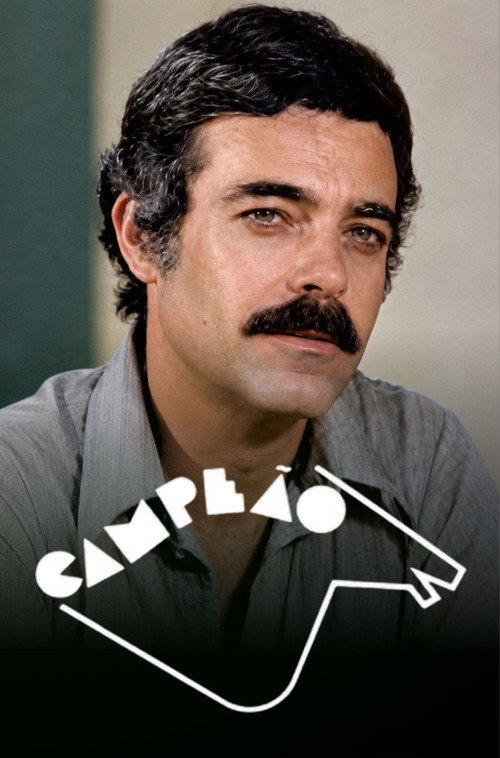 Campeão (1982)10.0
Amílcar Salém is a good-humored man in his sixties, owner of a pharmaceutical complex and a leader in the fertilizer industry. His hobby is raising animals – thoroughbred horses, breeding cattle for beef and dairy, as well as pigs – while he dreams of creating purebreds. This dream includes racehorses, which he treats with extreme care at his stud farm. He sends one of his mares to the United States, where she is bred, carrying the future champion in her womb. Artificial insemination is a secret Amílcar keeps until his death in a car accident. His eldest son, Jorge, inherits the fortune and takes over the family business. Jorge is separating from his wife, Alexandra Cardoso, and the couple has a son, Flávio. Amílcar's death shakes everyone, especially his grandson, who was very close to him. Flávio is the owner of Panambi – "blue butterfly" in Tupi-Guarani – the foal conceived in the United States through artificial insemination.
 Maçã do Amor (1983)10.0
Lia rises professionally and finds the strength to ask her husband, Mário, a good-natured rogue, for a divorce. The separation will decisively influence the life of one of her sons, Chico-Tico, who begins to show symptoms of a rare neurological disease known as "absence syndrome." Through temporal lapses, the boy absents himself from the present life, living in another reality, of which he later retains no memory. In the village where the family lives, there also reside Nicola, a teenager infatuated with older women; his mother, Filomena, an Italian woman who tries to contain her son's passionate outbursts; Seu Oliveira, the newsstand owner, a friendly Spaniard with a slightly anarchist past; and his two daughters, Margô and Heleninha. Also living in Lia's house are Astrides, the maid who dreams of parading with the Mangueira samba school, and Manequinho, her son, who works at Seu Oliveira's newsstand.
 O Todo Poderoso (1979)9.0
The plot unfolds across two distinct worlds: Dr. Cristiano Navarro’s hospital and an impoverished neighborhood on the outskirts of São Paulo. While doctors at the hospital fight to save lives using state-of-the-art medical technology, young Emanuel—living in the neighborhood—demonstrates the ability to perform miraculous, extraordinary healings with just the touch of his hands. Dr. Cristiano is married to Linda, a wealthy, refined woman twenty years his junior. They long for a child but have been unable to conceive. Linda consults Dr. Paula, a renowned gynecologist, but the doctor cannot resolve their issue. Linda then decides to seek help from Emanuel, sparking a series of conflicts with her husband. However, things are far from ideal in Emanuel’s neighborhood. He possesses paranormal abilities that sometimes manifest in ways beyond his control. An enigmatic and unpredictable man, Emanuel fears his own powers.
 Pé de Vento (1980)9.0
Edmar, nicknamed "Pé de Vento" (Wind Foot), comes with his family from Muzambinho, Minas Gerais, to São Paulo to try his luck professionally. Interested in running, he starts training at a club under the guidance of Alfredo, a veteran disillusioned with the sport, who only has hopes for the athlete. Their shared dream is to win the São Silvestre Race. At the club, Edmar meets Cristiane, a wealthy young woman who falls in love with him and despises the spoiled Itamar. However, Pé falls in love with the humble nurse Terezinha, granddaughter of the wise Mrs. Noca.
 O Campeão (1996)9.0
In 1979, Maria Isabel Caldeira had to leave Brazil because her husband, Humberto, was involved in a political kidnapping. Because of this, she left behind her infant son, Lucas. Upon returning fifteen years later, her greatest struggle is the search for her lost son. Maria Isabel returns on the same flight as Renato Alcântara, a European football star returning to Brazil to coach Pindorama Futebol Clube. Around this time, Felipe Caldeira, Maria Isabel's father, is vying for the club's presidency against the corrupt Alberto Drummond. The behind-the-scenes world of football serves as a backdrop for a plot involving murder, child exploitation, a homosexual couple seeking acceptance, a submissive woman left in a clinic by her husband, who is having an affair with the housekeeper, and other stories.
 A Deusa Vencida (1980)8.5
São Paulo, late 19th century. The nobleman Lineu Maciel, from a traditional São Paulo family, loses his entire fortune gambling. The problem could be solved by marrying his daughter, the beautiful Cecília, to the young Edmundo Amarante, son of the wealthy merchant Jorge Amarante. However, Edmundo's miserly father hates the Maciel family, even more so because they are ruined, and promises to disinherit his son if the marriage takes place.
 Floribella (2005)8.5
Floribella is a Brazilian children's musical telenovela produced by RGB Entertainment and broadcast by Band from April 4, 2005, to August 12, 2006. It is an adaptation of the Argentine telenovela Floricienta (2004), created by Cris Morena. Adapted by Patrícia Moretzsohn and Jaqueline Vargas, with general direction by Elisabetta Zenatti, the telenovela stars Juliana Silveira, Roger Gobeth, Maria Carolina Ribeiro, Mário Frias, Suzy Rêgo, Daniel Ávila, and Cássia Linhares. The story follows Maria Flor, a kind and optimistic young woman who becomes the nanny of the wealthy Fritzenwalden family's five orphaned children. With her cheerful personality and love of music, Flor transforms the household while falling in love with Frederico Fritzenwalden. As they face jealousy, family disputes, and the schemes of the ambitious Delfina, Flor uncovers secrets about her past and learns that courage, friendship, and hope can overcome even the greatest challenges.
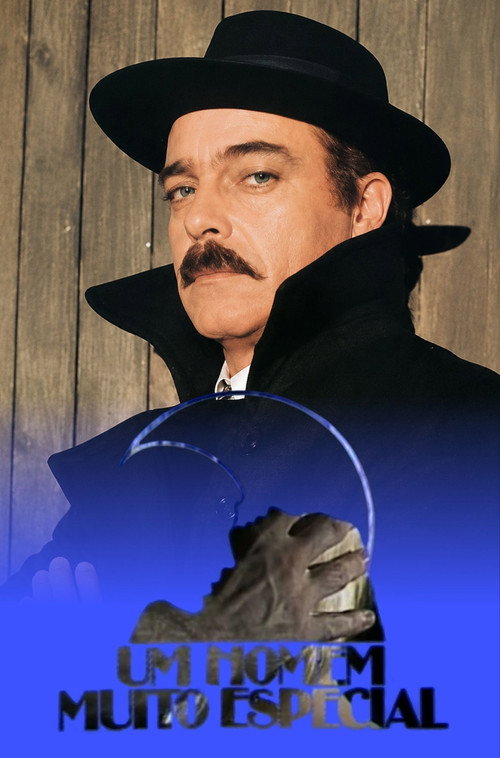 Um Homem Muito Especial (1980)8.0
Vladimir, Count Dracula, leaves Transylvania and comes to Brazil to reunite with his son Rafael. Because of the turmoil in Europe during World War I, Rafael, still a boy, was entrusted to his nanny, Ana, who fled with him. Having discovered his son's whereabouts, Vladimir is determined to rescue him and make him claim his inheritance. Of seemingly humble origins, Rafael has secretly courted Mariana, granddaughter of the powerful Dona Marta, matriarch of the Matos Lacerda family, who dominate the city, since childhood. Rafael is unaware of his father's existence. In his struggle to win his son, Vladimir faces opposition from Ana, who knows all his weaknesses. Upon arriving in Brazil, in addition to his son, Vladimir finds the woman of his dreams, exactly like the one he loved and lost in the past – none other than Mariana, Rafael's beloved. Vladimir believes Mariana is the reincarnation of the great love of his past.
 Cavalo Amarelo (1980)8.0
The irreverent Dulcinéa struggles to keep her revue theater, *Mambembe*, afloat; the building itself belongs to the traditional Maldonado family. The patriarch, Salvador Maldonado—a conservative man—keeps a tight rein on the clan, maintaining control over both the business and his children: Joana, an elegant and snobbish woman who is the staunchest defender of the views held by Pops, as the children call him; Téo, who has always silently submitted to the old man's high-handedness; Walter, dominated by his older sister and his father's favorite; and Lalucha, the youngest, a film student who challenges the status quo and rebels against the family's stuffy conservatism.
 Perdidos de Amor (1996)8.0
Maria Luísa Ferreira de Albuquerque Caldas is a wealthy young woman living in a mansion in Alto Leblon. She belongs to an aristocratic Rio de Janeiro family and is engaged to Pedro Henrique Oliveira Andrade Neto. Together they form the perfect "rich kid and socialite" couple: beautiful, rich, charming, and modern. Her father is Fabiano Caldas, a nearly bankrupt businessman, but with a lot of airs, who relieves his tensions by squandering money he doesn't have on mistresses, further worsening the situation. Her mother is Eleonora, a very classy woman, but blind to the world and reality.
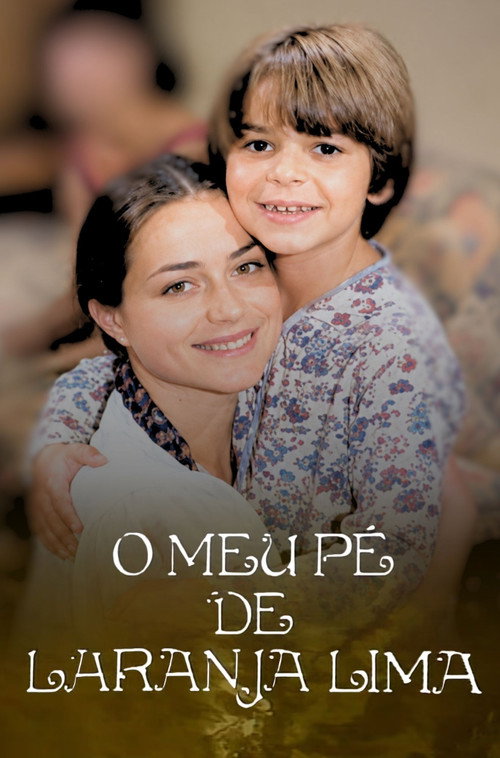 O Meu Pé de Laranja Lima (1980)7.5
Zezé is a poor, intelligent, sensitive, and needy six-year-old boy. He lacks affection, which he doesn't find in his family – nobody has much patience with him. The mischievous little boy roams the streets getting into all sorts of trouble. He learns everything on his own; he's a "discoverer of things." He realizes that life has joys, like having a friend, and also sorrows, like when a friend leaves forever. One of his greatest surprises is realizing he can sing without opening his mouth – that is, he can think of a song and let it play in his head.
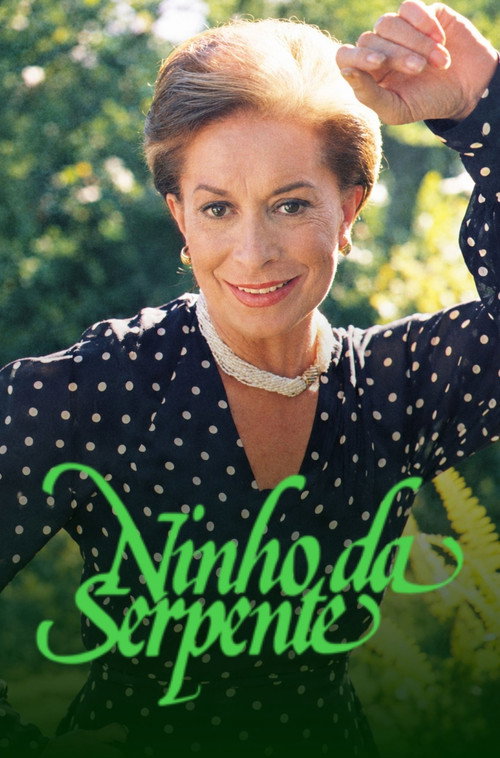 Ninho da Serpente (1982)7.5
The traditional Taques Penteado clan is intimately linked to the history of São Paulo itself and is considered a significant representative of the São Paulo business world. Ill, Cândido Taques, brother of the matriarch Guilhermina Taques Penteado, lived isolated from everyone on the third floor of the family mansion in the elegant Jardim Europa neighborhood. Cândido's death puts the clan members on alert, awaiting his inheritance: a large fortune in cash, jewels, and stocks. The dispute over the inheritance, in an environment dominated by Guilhermina, and the game of interests among heirs unleash several conflicts, generating an atmosphere of oppression. The characters reveal themselves through their greater or lesser commitment to gaining access to the fortune. Some show no scruples whatsoever in obtaining it, while others, more skillful and diplomatic, resort to less petty means: they seek, for example, to take advantage of a close relationship with the matriarch.
 Cara a Cara (1979)7.0
Millionaire Ingrid Von Herbert comes to Brazil to search for her missing son, who was taken from her in Italy by the child's father during World War II. Here, she meets and falls in love with mechanic Fran, but resists this love because she suspects he might be her son. There are other suspicions, but this mystery persists throughout the plot. An unusual event changes the course of the story: Fran's father, Sandro, has his car sabotaged and dies in an accident.
 Os Imigrantes (1981)7.0
In Europe, at the end of the 19th century, social policies sent thousands of immigrants out of their countries. A Spaniard, a Portuguese, and an Italian seek new opportunities in the new country, without imagining the difficulties along the way.
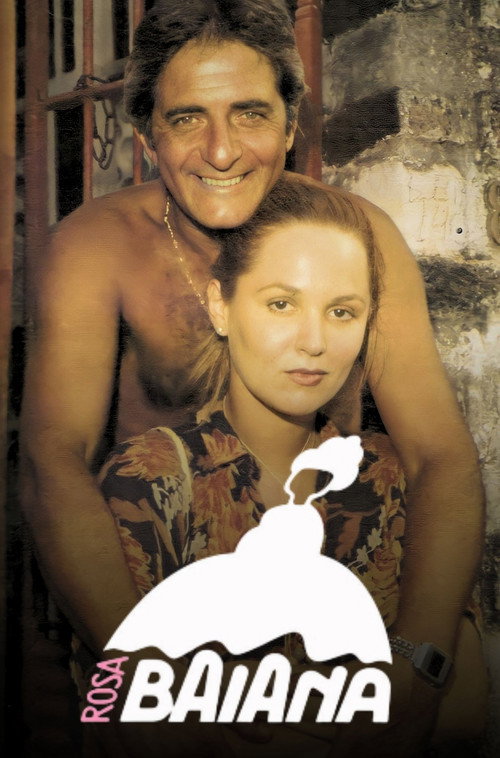 Rosa Baiana (1981)7.0
Rosa Baiana is a strong and courageous woman, the companion of Edmundo Lua Nova, who abandoned her with seven children to travel the world. Her children, Agenor, Ivan, Bráulio, Walter, Orestes, Cláudia, and Edinho, ended up connecting their lives to oil, working in the oil fields of Bahia, without, however, detaching themselves from their mother, the ultimate authority and final word in the family. Rosa imposes her personal worldview on everyone. The children don't dare contradict her, even when their lives conflict with their mother's standards. Until the day Edmundo Lua Nova returns home after twenty years away.
 Serras Azuis (1998)7.0
The involvement of Lígia das Graças Paiva with Gaius Gutemberg Roldão. More than just children of rival families, they are survivors of a massacre that nearly wiped the city off the map. Under the curse that the blood of a Roldão cannot mix with that of a Paiva, both will face much trouble. However, the tragedy is softened by parallel stories: power struggles, union politics, revenge, betrayals, gossip, witchcraft, and even a character from Brazilian folklore: the headless mule.
 MasterChef Brasil (2014)6.9
Brazilian version of the competitive cooking reality show where amateur and home chefs compete for the title of MasterChef.
 The Teenagers (1981)N/A
Four teenagers, each facing a major conflict. Majô, the daughter of separated parents, has fallen in love with her mother Raquel’s husband, the teacher Túlio. Caíto, who is gay, lives in a dysfunctional home where his parents' marriage—Dirceu and Marilu’s—is going from bad to worse. Doca is a drug addict, and his sister Bia has become pregnant by her boyfriend, Michel. Their parents, Odilon and Paula, are deeply unhappy as well. Interwoven with their stories is that of Túlio—a former addict turned upstanding teacher—who encounters a haunting figure from his past: his ex-sister-in-law, Fernanda.
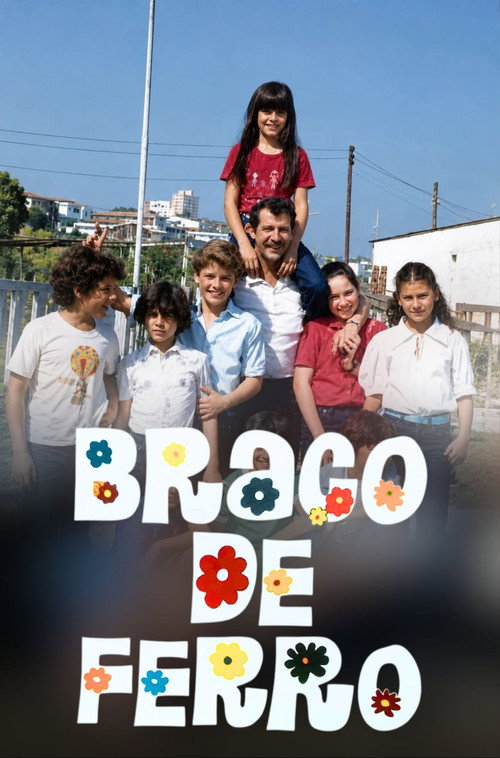 Braço de Ferro (1983)N/A
A group of lower-middle-class children, living on the same street, decide to found a club in an abandoned house with the aim of creating a meeting point. Problems begin with the expropriation of the land for the construction of a supermarket. At the same time, two leaders vie for the presidency, dividing the group in a power struggle that will only end when they lose the house permanently. However, the millionaire Gastão dies and leaves a mansion to the children in his will.
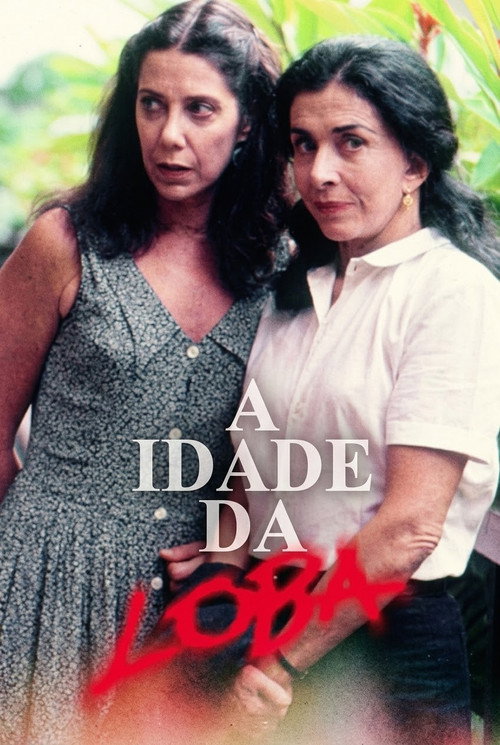 A Idade da Loba (1995)N/A
Valquíria, after the death of her husband, leaves the small town of São José do Barreiro, in the interior of São Paulo state, in search of professional fulfillment, alongside her best friend, Irene. In this new phase of their lives, they encounter a shared love from thirty years ago, Montenegro. This reunion is marked by many misunderstandings, including the difficulty Montenegro and Valquíria have in being together permanently. In parallel, other storylines will develop: that of Suzana, Valquíria's daughter who discovers that Montenegro is her real father and does not accept him; and that of the various residents of Piconês's boarding house, where Valquíria lives, who seek professional success and romantic fulfillment.