
The Best TV Shows on LRT Televizija
Every LRT Televizija Show Ranked From Best To Worst
Icons of LRT Televizija, Chameleon and The Relatives made their debut in 1989 and 1993, setting industry standards. Dive into our updated selection of LRT Televizija’s finest, featuring more than 16 series as of October 2026. From 1989 through to 2025, LRT Televizija has accumulated a diverse collection of over 16 television shows.
 Eurovizija.LT (1998)6.5
„Eurovizijos dainų konkurso nacionalinė atranka“ is the national final to select the Lithuanian entry for the Eurovision Song Contest.
 Naisių vasara (2010)3.0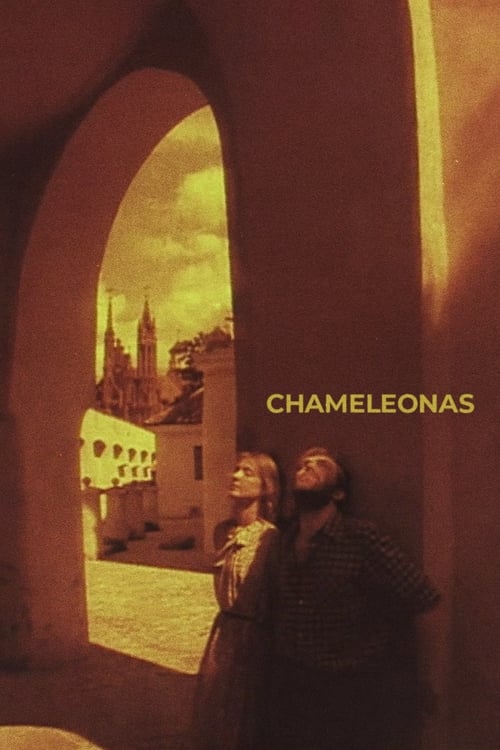
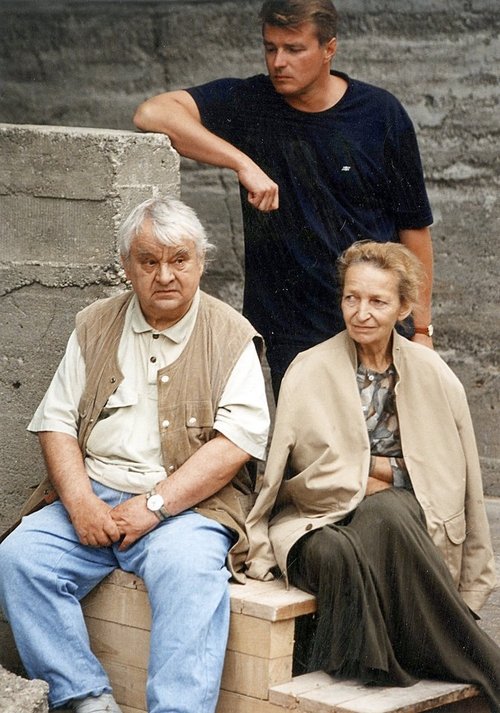 The Relatives (1993)N/A
The first ever produced television series in independent Lithuania tells the story of Lionginas Seputis, his wife, brothers and their children in the days of radical changes in both the political and private sphere.

 Atžalos (1998)N/A
 Giminės ir... (2001)N/A
- Prokurorai (2002)N/A
 Giminės. Po dvidešimties metų (2011)N/A
 Paradise in Lithuania (2012)N/A
 Nacionalinė ekspedicija (2015)N/A
 Laisvės kaina (2016)N/A
 The Cost of Freedom. Volunteers (2016)N/A
TV series tells about 1918 February 16 Signing of the Lithuanian Independence Act and other historical events that followed this important event in Lithuania until the occupation of Lithuania in 1940.
- Laisvės kaina. Partizanai (2017)N/A
The series tells about the three occupations and mass exterminations that took place in the middle of the last century, the Holocaust, the terror, the attempt to physically and spiritually crush Lithuania.
- Love Lithuania (2023)N/A
Good to hear! Lithuania really has a lot to be proud of – from its deep history and beautiful nature to its modern achievements. If you want to get to know your homeland even better or spend your time meaningfully, here are some ideas: Travel: Discover new routes on the official tourism website Lithuania.travel.Events: Find out about upcoming cultural and art events on the Culture Passport system or the Bilietai.lt portal.History: Delve into the country’s past on the website of the National Museum of Lithuania.
 Vilko gomurys (2025)N/A