
The Best TV Shows on ORTF Télévision 2
Every ORTF Télévision 2 Show Ranked From Best To Worst
Among ORTF Télévision 2’s finest offerings are Seize millions de jeunes and Rocambole, which debuted in 1964 and 1964, respectively. Stay up-to-date with over 20 of ORTF Télévision 2’s elite series, with our list refreshed for October 2026. ORTF Télévision 2’s extensive portfolio includes more than 20 shows, spanning the years from 1964 to 1973.
 D'Iberville (1967)10.0
D'Iberville is a Canadian dramatic adventure television series which aired on Radio-Canada in 1967 and 1968, and on CBC Television's English network from 1968 to 1969.
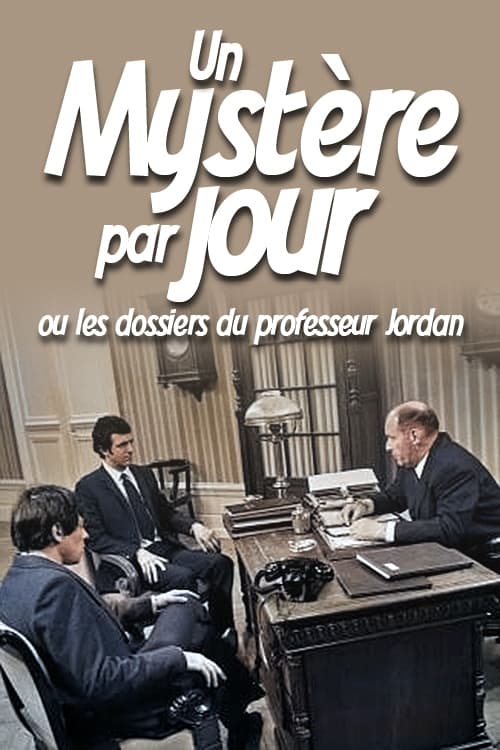 Un mystère par jour (1970)10.0
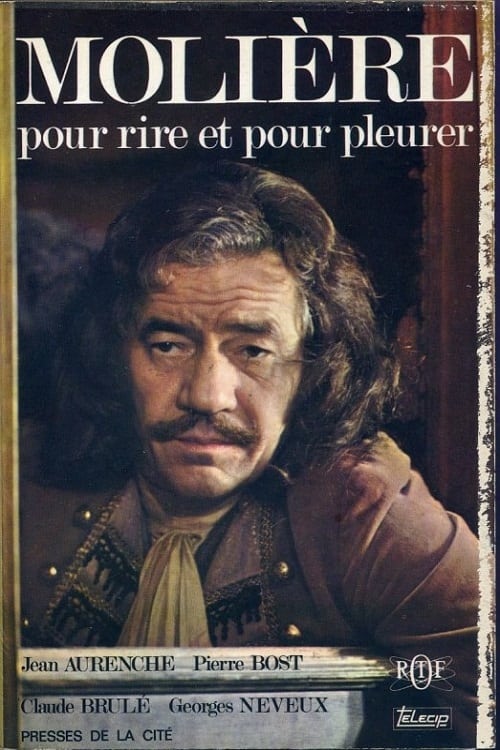 Molière pour rire et pour pleurer (1973)9.5
Molière pour rire et pour pleurer recounts the life of Jean‑Baptiste Poquelin, from his childhood in an artisan family to his rise as Molière, a central figure of French theatre. The series shows his difficult decision to abandon the family trade and join Madeleine Béjart to found L’Illustre Théâtre, marked by debts and repeated setbacks. While touring the provinces, he shapes his style and discovers the power of comedy. Back in Paris, he makes a name for himself with Les Précieuses ridicules, but his sharp satires provoke fierce opposition, especially during the Tartuffe scandal. Supported by Louis XIV, he continues despite attacks, literary rivalries, and tensions within his troupe, particularly with Armande Béjart. The miniseries also follows his growing exhaustion, his determination to perform at any cost, and his final breath after Le Malade imaginaire, the ultimate symbol of an artist who lived — and died — for the stage.
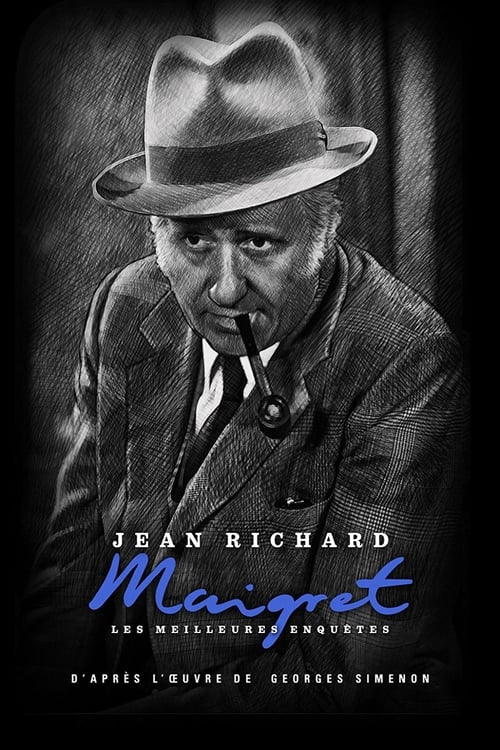 The Investigations of Commissioner Maigret (1967)8.8
 Dim Dam Dom (1965)8.0
 Seule a Paris (1965)8.0
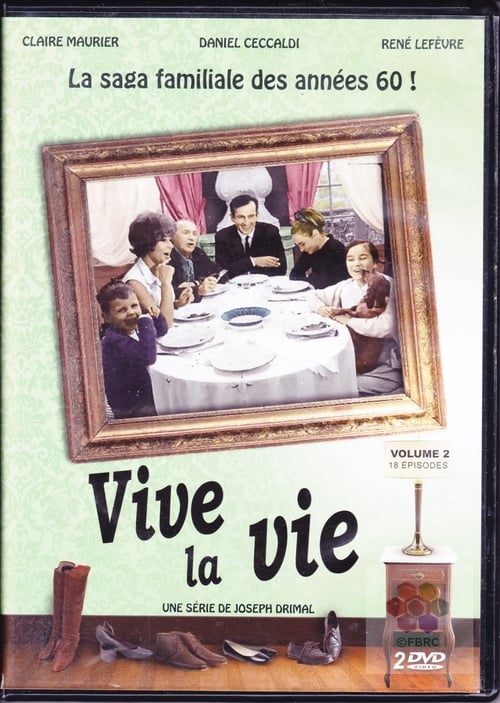 Vive la vie (1966)8.0
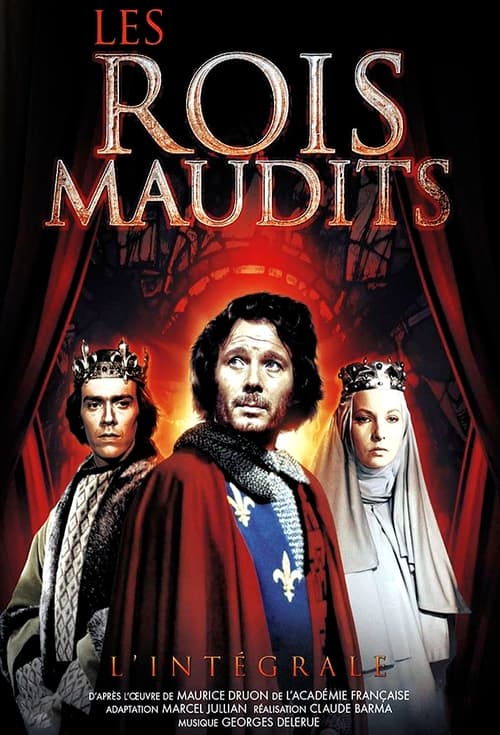 The Accursed Kings (1972)8.0
It is the start of the 14th century and Philip IV the Fair reigns supreme over France. His three sons would rule after him. Isabelle, his only daughter, is married to King Edward II of England. Under Philip's reign, France is great but its people are unhappy. Only one power dares to stand up to him: the order of the Knights Templar. When the last Grand Master of the Temple, Jacques de Molay, is burned at the stake, he curses Philip and so begins a dark period, full of blood and violence, death and tears ...
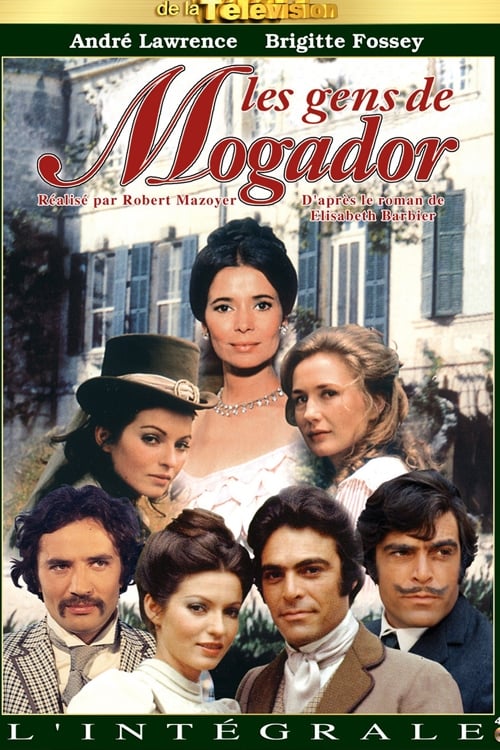 Les Gens de Mogador (1972)8.0
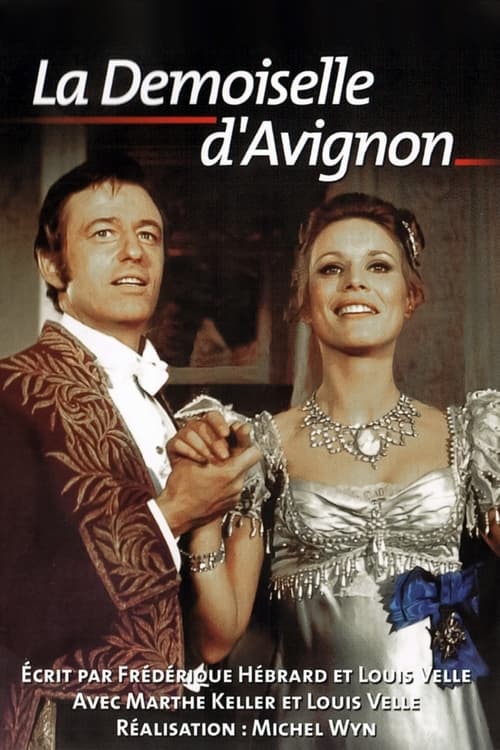 La Demoiselle d'Avignon (1972)7.3
Koba is a princess, a real one. To meet up the men she loves, she finds herself in Paris... François is a diplomat. He thinks he loves a student. Little does he know that his Cinderella wears a crown. To find her again he becomes ambassador of France in her country: Kurland...
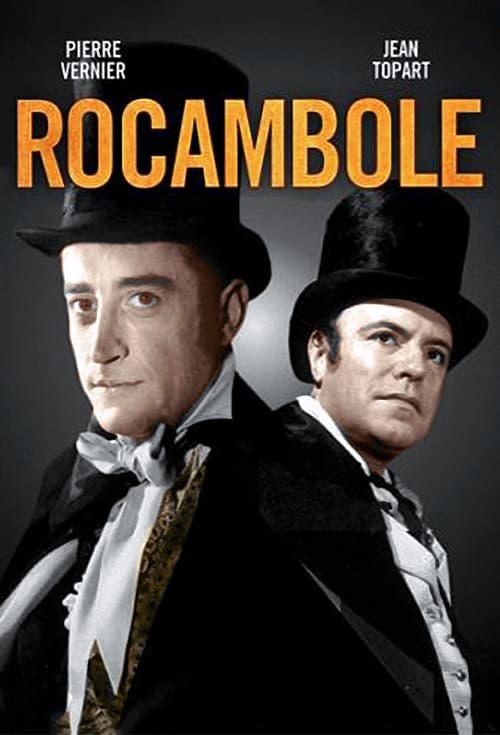 Rocambole (1964)7.0
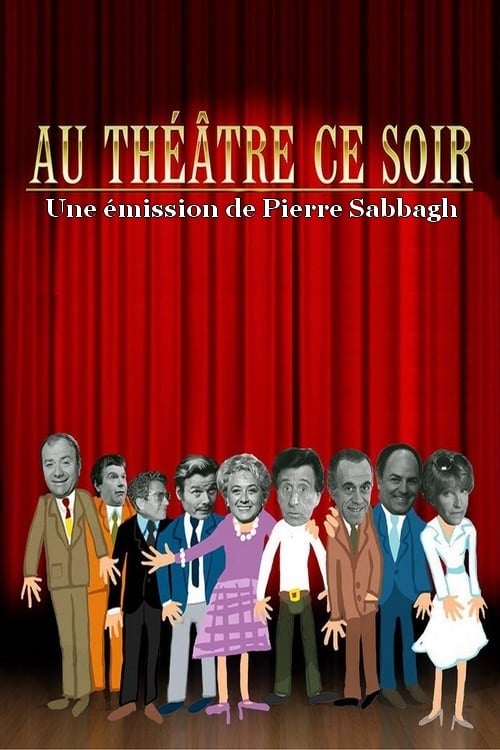 At Theatre Tonight (1966)7.0
At Theater tonight is a TV show broadcasted from 25th August 1966 to 21st September 1985. The show is broadcast plays recorded in two or three days, during public performances at the Théâtre Marigny on the Champs-Élysées, or sometimes Edouard VII theater.
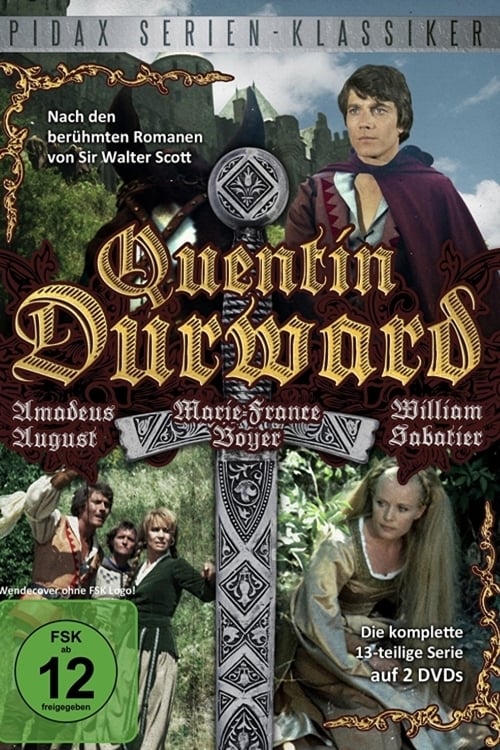 Quentin Durward (1971)7.0
Quentin Durward is a French-German swashbuckler TV series. It was produced in 1970, directed by Gilles Grangier and broadcast in 1971. The series starred the German actor Amadeus August as the protagonist and the French actress Marie-France Boyer as Isabelle de Croye. The series was based on Sir Walter Scott's in 1823 published novel Quentin Durward. It concerns a Scottish soldier who serves French King Louis XI while the King has to overcome the schemes of his rival Charles the Bold and Jean Balue. The TV series kept close to the classic novel and was often shot at historic French locations. The French version consists of 7 instalments of 52 minutes each, while the dubbed German version had 13 episodes of about 25 minutes apiece. Both versions have been made available on DVD.
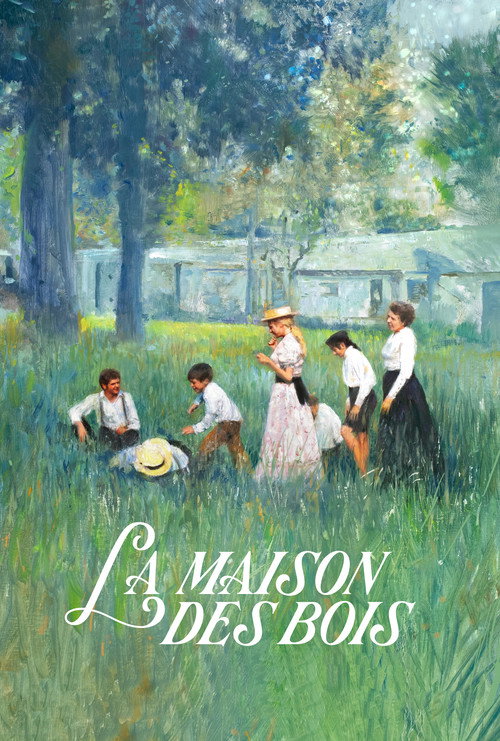 The House in the Woods (1971)7.0
During World War One, in a small rural French village far away from the front, a gamekeeper and his wife take in children displaced by the war.
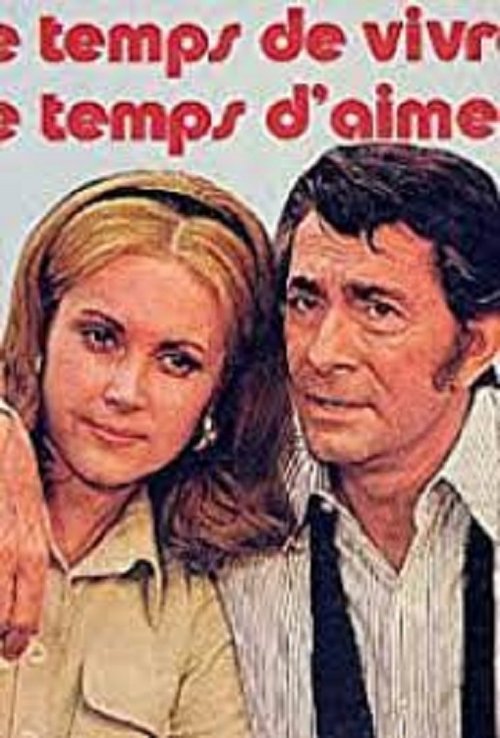 Le Temps de vivre... Le Temps d'aimer (1973)7.0
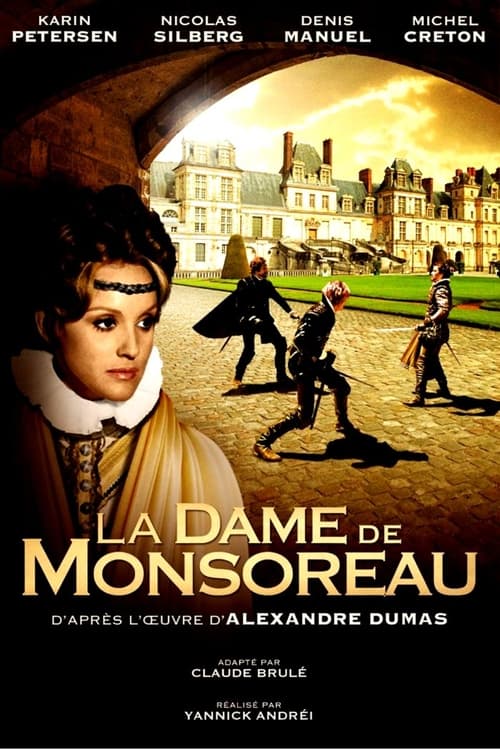 La Dame de Monsoreau (1971)6.4
Diane of Meridor, aged 23 years, lives a happy country life with her father. For the first time, Diana has her coming out ball, organized by the count of Monsoreau, who, in spite of being much older than her, wants to make her his wife, having a possessive and jealous love for the young woman. The duke of Anjou takes Diana in the ball, and tries to abuse of her exercising his prerogatives of being the brother of the king. Monsoreau will take advantage of this fact in his favor, and kidnaps de lady. He explains her father that Duke of Anjou, a known seducer, has kidnapped her. In order to safe her honor, he offers to marry her. Her father consents to it, with his heart broken by his sorrow. Diana of Meridor is forced to marry the damnable count of Monsoreau...
- Samedi soir (1971)6.0
 Seize millions de jeunes (1964)N/A
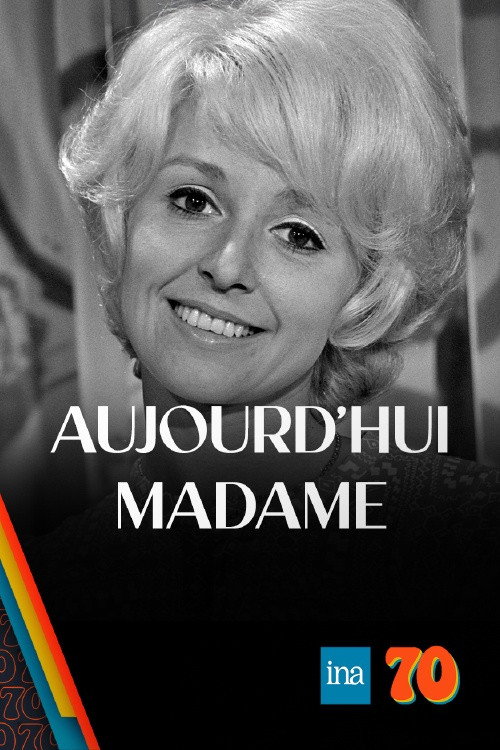 Aujourd'hui Madame (1970)N/A
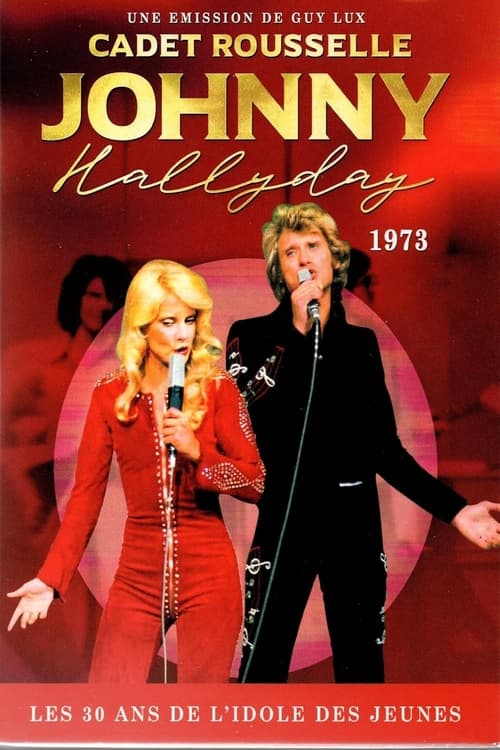 Cadet Rousselle (1971)N/A