
The Best TV Shows on TV Globo
Every TV Globo Show Ranked From Best To Worst
Explore our list of the top rated shows up to date from October 2026 that includes over 20 unique series. Icons of TV Globo, Jornal Nacional and Irmãos Coragem made their debut in 1969 and 1970, setting industry standards. From 1969 through to 2013, TV Globo has accumulated a diverse collection of over 20 television shows.
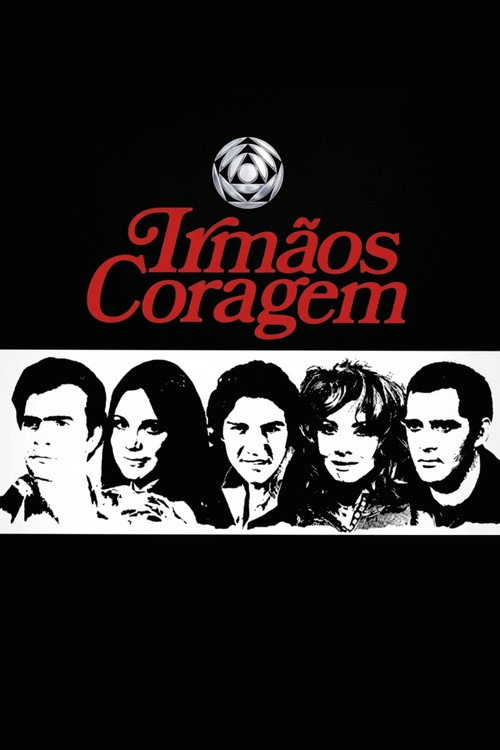 Irmãos Coragem (1970)9.3
The fight for freedom and against oppression is the central theme of this soap opera that tells the story of the Coragem brothers: João, Jerônimo and Duda, in the city of Coroado.
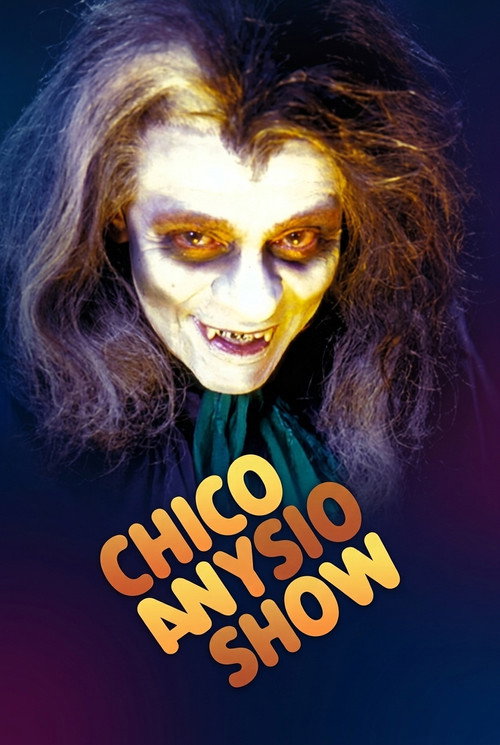 Chico Anysio Show (1982)9.0
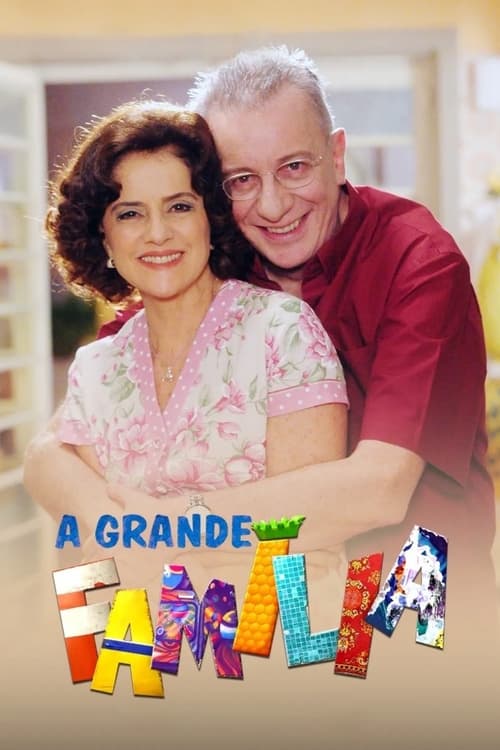 A Grande Família (2001)8.4
The daily lives of a typical Brazilian middle-class family, that are always very close and tries, in their way, to survive the financial and relationship difficulties.
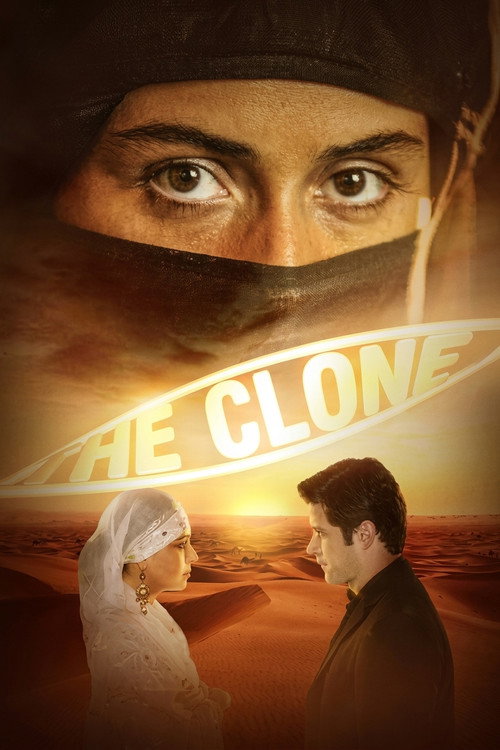 The Clone (2001)8.1
Human cloning. The Islamic world. Two young people, two different cultures, two different beliefs. An impossible love story that not even time could erase. During a trip to Morocco, Lucas has a forbidden romance with Jade. He returns to Brazil after the death of his twin brother Diogo. A close family friend, scientist Albieri uses this situation to produce the first human clone using cells taken from Lucas. Twenty years later, Jade, Lucas and his clone form an odd love triangle.
 Brazil Avenue (2012)8.1
Brazil Avenue is a dynamic, lifelike, and modern telenovela that reveals how unrelenting ambition and inflicted cruelty can change a young girl’s destiny and lead her to seek revenge.
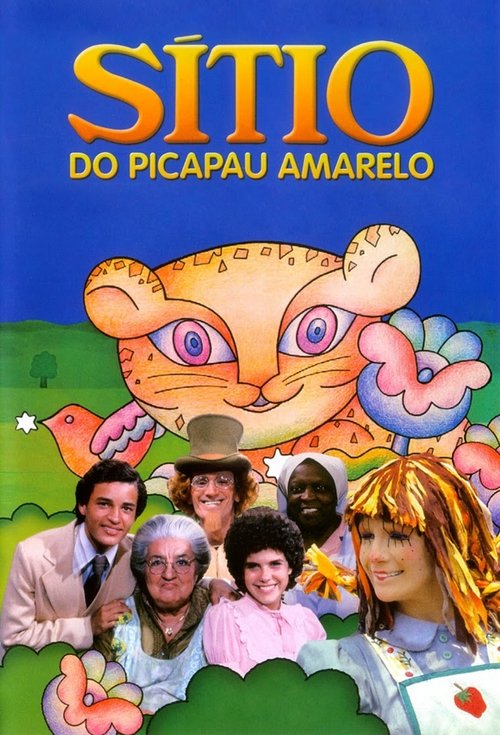 Sítio do Picapau Amarelo (1977)8.0
The stories created by Monteiro Lobato take place at the "Sítio do Picapau Amarelo" (Yellow Woodpecker Farm), where various characters experience magical tales and star in unforgettable adventures.
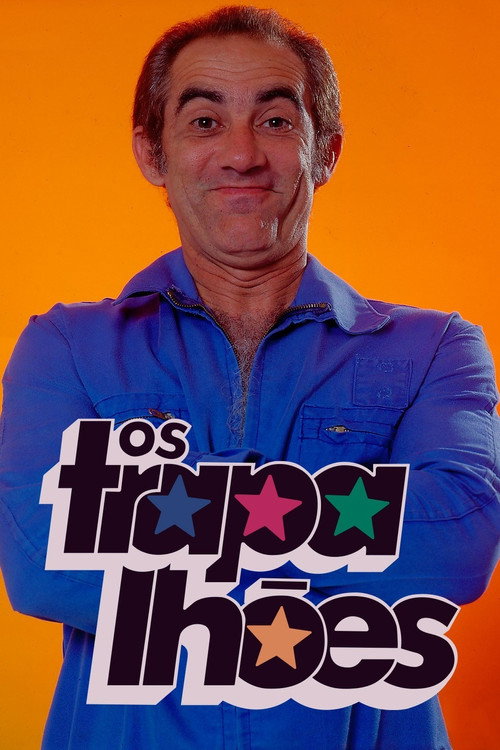 The Trapalhões (1977)8.0
Os Trapalhões was a Brazilian comedy group and also a Brazilian television series created by Wilton Franco. Its members were Dedé Santana, Zacarias, Mussum and their leader Didi Mocó, that was played by Renato Aragão. The name Trapalhões is derived from the Portuguese verb atrapalhar, which means the opposite of helping, to do something the wrong way or to Those that confuse. The name is translated "Tramps" in English DVD subtitles. It was aired by Rede Globo from 1977 to 1999. On March 18, 1990, Zacarias died due to respiratory failure, but the group and the series didn't come to an end until July 29, 1994, when Mussum died due to an unsuccessful heart transplant.
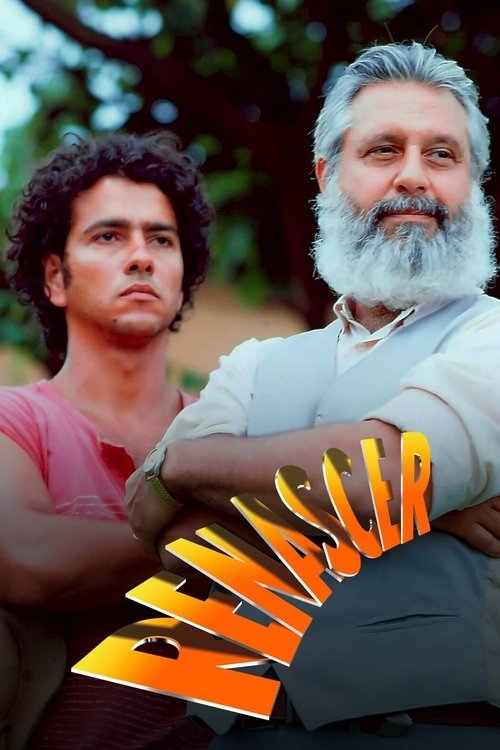 Jequitibá (1993)7.8
Jose Inocencio had innocence only as part of his name, but only those who new him well could notice this. But nobody knew him. He was a storyteller, and he was always the main character in the stories he told. He managed not only to create stories about himself, he managed to create a legend. The story of this powerful cacao farmer; Maria Santa, the beloved wife who died; and their four children is the main theme of 'Renascer'.
 Celebrity (2003)7.7
A successful businesswoman in the music industry sees her life fall apart after a young and mysterious woman starts work as her secretary. The scheming girl is totally obsessed by the famous businesswoman and she tries to steal everything from her, including her career.
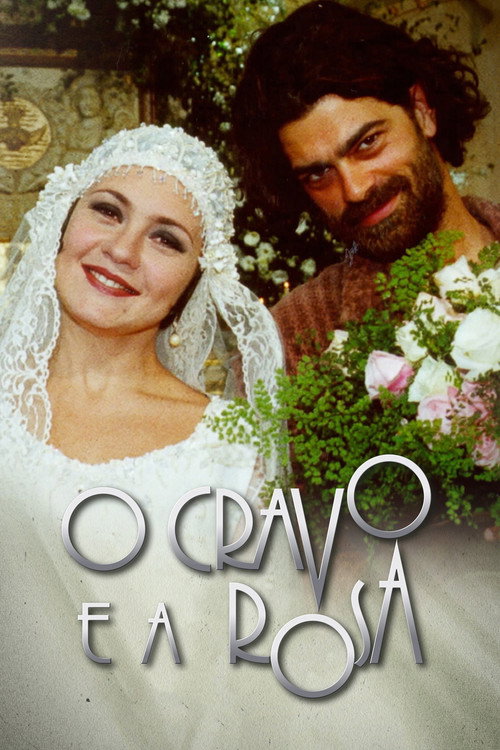 The Thorn and the Rose (2000)7.5
A spoiled feminist, daughter of a rich father, even though she doesn't admit it, falls in love with a rustic farmer whom she marries.
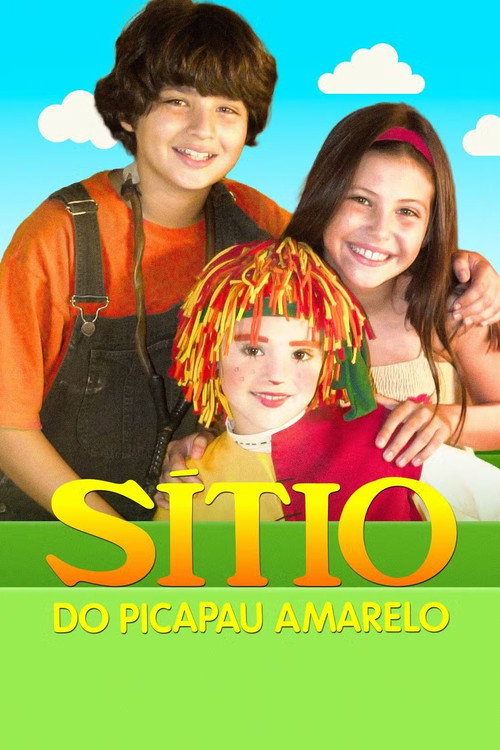 Yellow Woodpecker Ranch (2001)7.4
At the farm, imagination knows no bounds. Emília, Pedrinho, Narizinho, and Visconde embark on adventures through fantastic worlds and stories where anything can happen.
 India: A Love Story (2009)7.4
The daughter of a traditional, rich Indian family falls in love for a Dalit, and "untouchable" man.
 Jornal Nacional (1969)7.0
Jornal Nacional is a Brazilian Emmy-winning primetime news program aired by Rede Globo since September 1, 1969. It was the first news program broadcast live by a television network throughout Brazil.
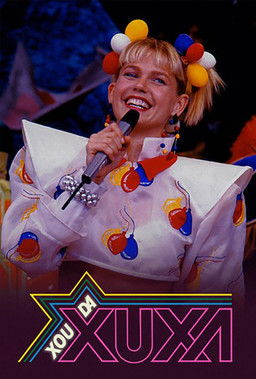 Xou da Xuxa (1986)7.0
Airing weekday mornings, the show featured segments of games (mainly competitions and musical numbers) interspersed with cartoons. Despite the consistently negative reactions from intellectuals and specialized critics, Xou da Xuxa quickly became the most successful children's program in the history of Brazilian television, transforming its presenter into a phenomenon from the mid-1980s to the early 1990s.
 América (2005)6.5
Sol and Tião are born to different social backgrounds—she to a poor suburban family in Rio, and him to an even poorer family who raised cattle in West São Paulo State. They eventually meet, due to unlikely circumstances, but part again, as she has set as her ultimate priority to reach the United States or bust. While she comes to the U.S. to live as an illegal immigrant, he remains in Brazil and, despite many trials and tribulations, he becomes a successful rodeo cowboy.
 Pages of Life (2006)6.5
Nanda must rethink her plansof studying in Amsterdam when she discovers she is pregnant. After losing the support of her boyfriend Léo, the young girl decides to return home, where she suffers a serious accident and dies.However, Helena, her doctor, is able to save her new-born twins: Francisco and Clara. Unfortunately, Clara suffers from Downs Syndrome. Helena feels a strong emotional tie to Clara and adopts her.Years later, the twins’father Léo, a young and wealthy businessman, returns to the scene, wanting to gain custody of the children.However, Helena and Alex fight to the end to retain guardianship of the twins, whom they have raised with such love.
 Young Hearts (1995)6.2
Malhação is a Brazilian television series for the teenage audience. The soap started in 1995, and was set in a fictional Gym Club called Malhação on Barra da Tijuca, Rio de Janeiro. Through the years the location varied slightly. Although the name of the soap remains the same, it is now set in the Múltipla Escolha High School.
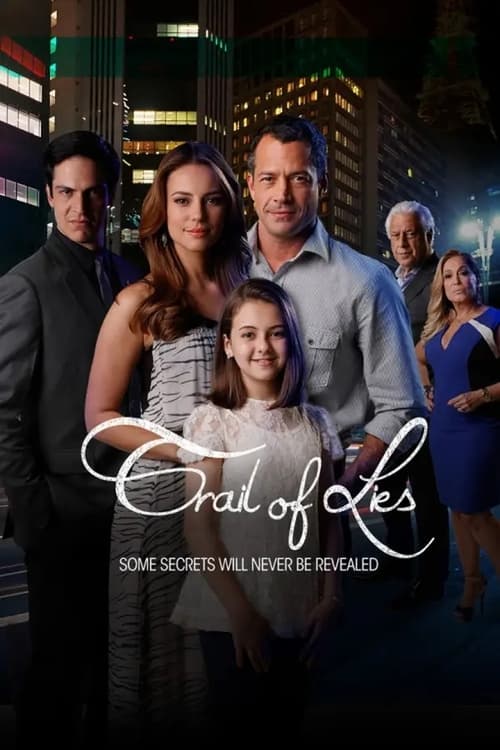 Trail of Lies (2013)6.1
Paloma is a willful woman whose newborn baby is kidnapped by her own brother, Félix, who plans to become sole heir to the family’s fortune. Bruno is an honest man who, during the same night, loses his wife and son in childbirth and miraculously finds Paloma’s child in a dumpster. Destiny will unite their lives in a plot of secrets, revelations, and disputes, with the unpredictable consequences of lives based on a dangerous and surprising network of lies.
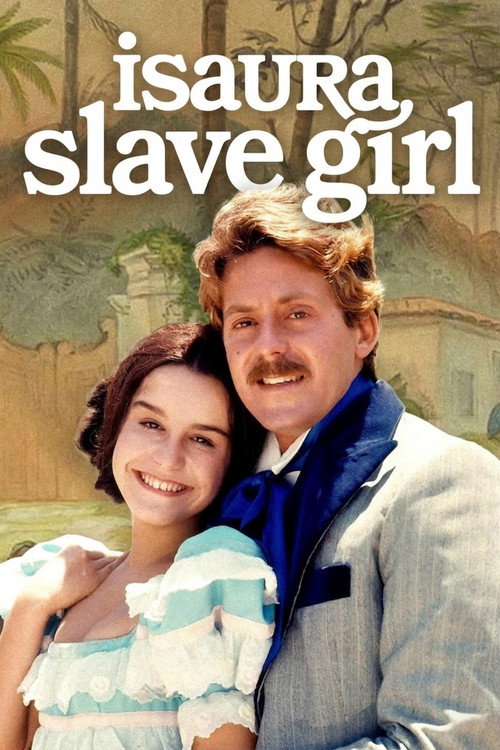 Isaura: Slave Girl (1976)6.0
Set in 19th-century Brazil during the waning years of slavery, Escrava Isaura tells the story of Isaura, a white-skinned enslaved woman raised with the manners and education of a noble lady. Though treated with affection by her mistress, Isaura remains legally enslaved and becomes the object of obsessive desire by Leôncio Almeida, the cruel heir to the plantation. After the death of her protector, Isaura falls under Leôncio’s control. Despite his attempts to seduce and dominate her, she resists, determined to preserve her dignity and freedom. Her father, Miguel, helps her escape to Recife, where she adopts a new identity and meets Álvaro, a wealthy and principled abolitionist who falls in love with her. Leôncio eventually tracks her down, leading to dramatic confrontations. In the end, Álvaro rescues Isaura by purchasing Leôncio’s debts, securing her freedom and affirming the story’s central themes of justice, love, and resistance against oppression.
 Zorra Total (1999)5.7
Zorra Total is a Brazilian television comedy broadcast by Globo Network. It was launched on March 25, 1999 and has aired on Saturdays, at 10p.m., ever since May 1999. The show is a sketch comedy show. It is the audience leader on its slot.