
The Best TV Shows on TVP
Every TVP Show Ranked From Best To Worst
As of October 2026, we’ve curated over 20 of TVP’s premier shows for your viewing pleasure. From 1971 through to 2011, TVP has accumulated a diverse collection of over 20 television shows. Highlighting TVP’s quality programming, Theatre Macabre and Clouds of War stand out, premiering in 1971 and 1973.
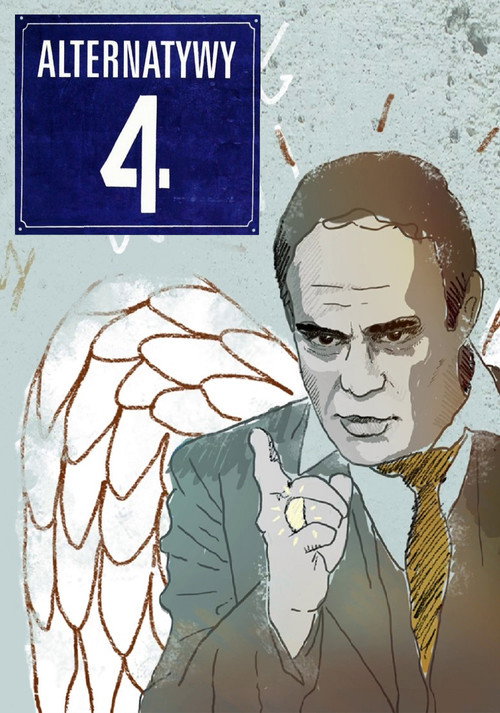 4 Alternative Street (1986)8.4
4 Alternative Street was a Polish comedy TV show that was finished in 1983 and aired in 1986 due to censorship. Many famous Polish actors appeared in the series. The filming location used in the mini series was a residential complex which is still in existence at 3 Grzegorzewska Street in Warsaw, Poland. The series was a satire to the communist rule in Poland, spoken in a way that it passed through communist censorship office.
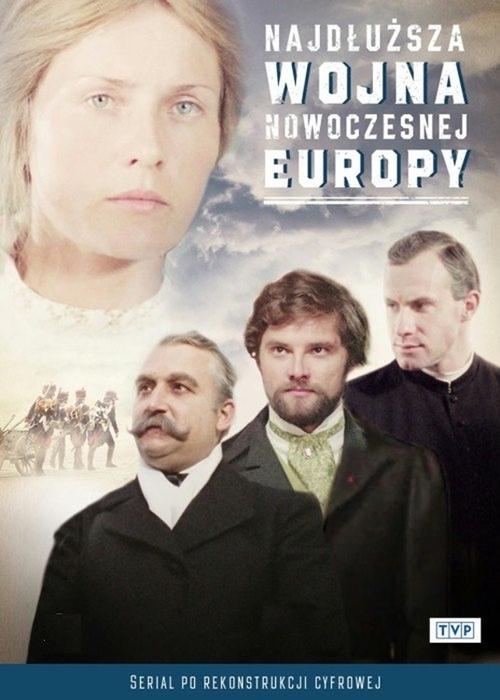 Najdłuższa wojna nowoczesnej Europy (1982)8.0
After the defeat of Napoleon, in whom the Poles had placed so much hope for the restoration of their country, a dark night of slavery descended. Poland was wiped off the map of Europe, but it lived on in the hearts and minds of the Polish people. The struggle for Poland continued in various ways and by various means, depending on which partition the former territories of the country found themselves under. In literature, drama, and later in film, the struggle of Polish patriots with weapons in their hands, e.g., in the November and January uprisings against the tsarist regime, found greater reflection and resonance. Relatively little is known and little was known to the general public about the struggle for the liberation of the people of Greater Poland, which was under Prussian rule. And yet it was the "longest war in modern Europe."
 Zespół adwokacki (1994)8.0
A story about the professional and personal struggles of the lawyers at a law firm in a town near Warsaw. In their work, they encounter a wide range of human problems, while often dealing with complicated family lives of their own.
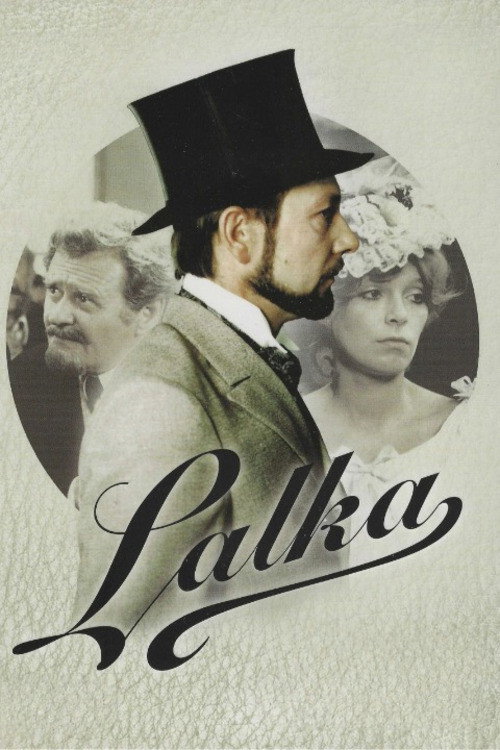 The Doll (1978)7.8
The story of Stanisław Wokulski, a wealthy merchant who falls in love with a haughty aristocrat, Izabela Łęcka. Causing a misalliance in the late nineteenth century Warsaw. Young Wokulski is forced to work as a waiter, while dreaming of a life in science. After taking part in the failed uprising, he is sentenced to exile in Siberia. Upon return to Warsaw, he becomes a salesman. Marrying the late shop owner's widow, he becomes rich, He uses his money set up a partnership with a Russian merchant, met in the exile. The two makes a fortune supplying the Russian army. Wokulski falls in love with Izabela, daughter of the bankrupt aristocrat. In his quest to win her, he ventures theatres and aristocratic salons. To help her financially distressed father, he founds a company with the aristocrats as shareholders. Wokulski ability to make money is respected, but his lack of social rank is often brought. Izabela eventually accepts his affection, but without true devotion or love.
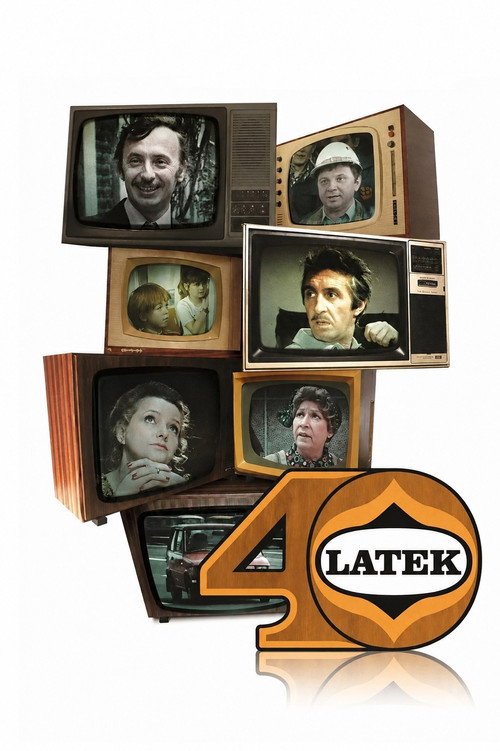 Czterdziestolatek (1975)7.6
Czterdziestolatek or 40-latek was a Polish television comedy series broadcast between 1974 and 1977. The first series enjoyed so much popularity that it has successfully continued and led to the release of a feature film I'm a Butterfly, a 40-year-old Love Affair and a New Year's Eve television program in 1975. The series was written by Jerzy Gruza and Krzysztof Teodor Toeplitz and was broadcast on Telewizja Polska. In total, 21 episodes were produced. The series followed the fate of a Warsaw family and explored topics related to midlife crisis, such as extra-marital affairs, attempts to quit smoking, obsession with hair loss, efforts to maintain physical fitness, pride in achievements and professional life, the desire to seek self-fulfillment through social activities, etc.
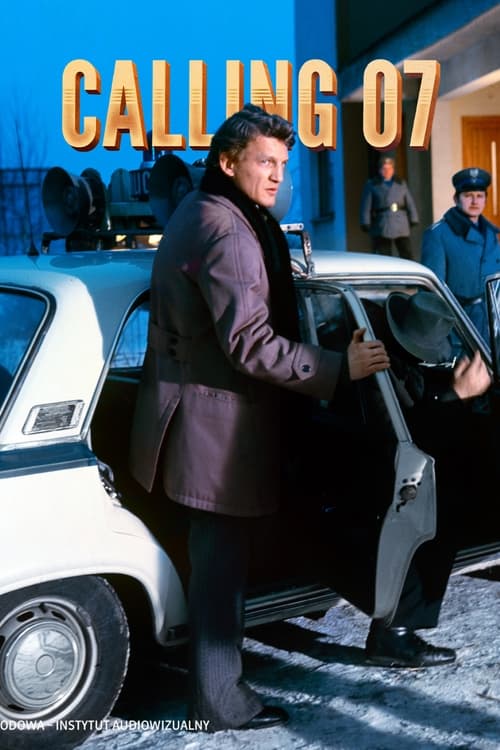 Calling 07 (1976)7.5
The series centres around the investigations of Police Lieutenant Sławomir Borewicz. Each episode features a different case being solved by Borewicz.
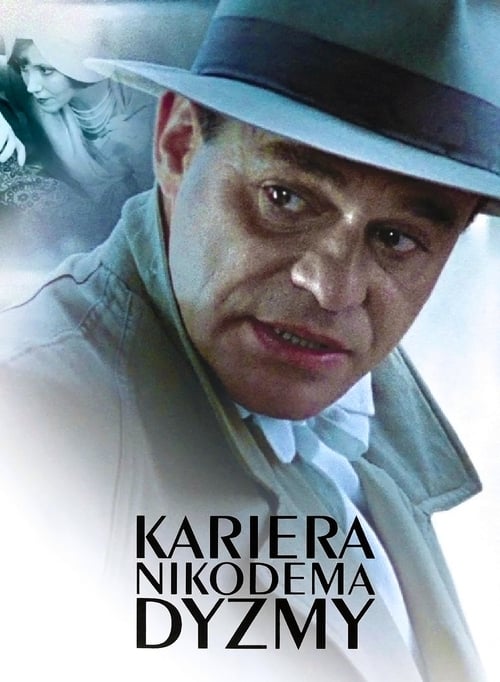 Kariera Nikodema Dyzmy (1980)7.5
Nikodem Dyzma immigrates from the eastern part of Poland to the capital in the hope for possibilities to make a living. He is in need, very poor and forced to look for basic food and shelter. Yet, on a day when an unexpected invitation appears, his life changes dramatically.
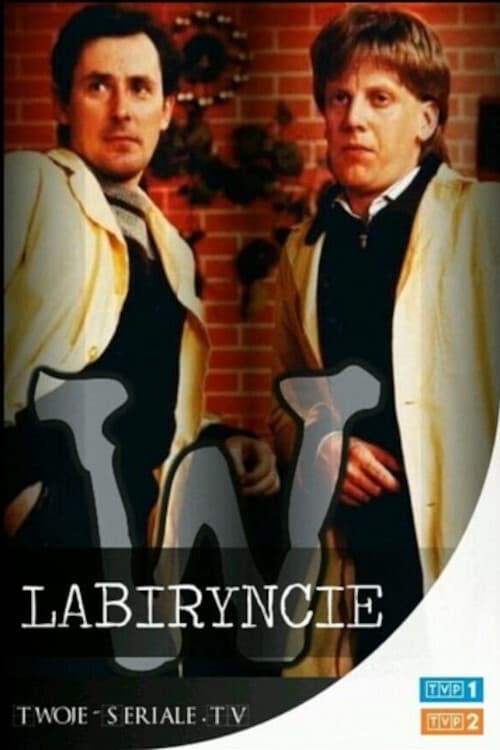 W labiryncie (1988)7.5
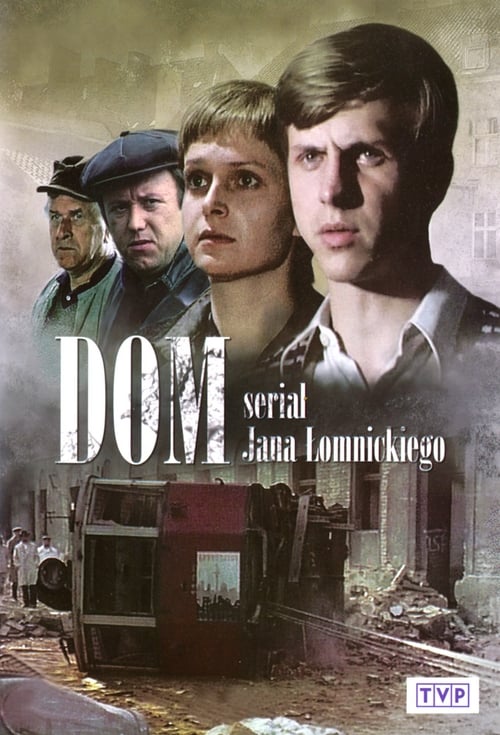 Dom (1980)7.3
The story of the residents of a tenement house on Złota Street in Warsaw from 1945 to 1980.
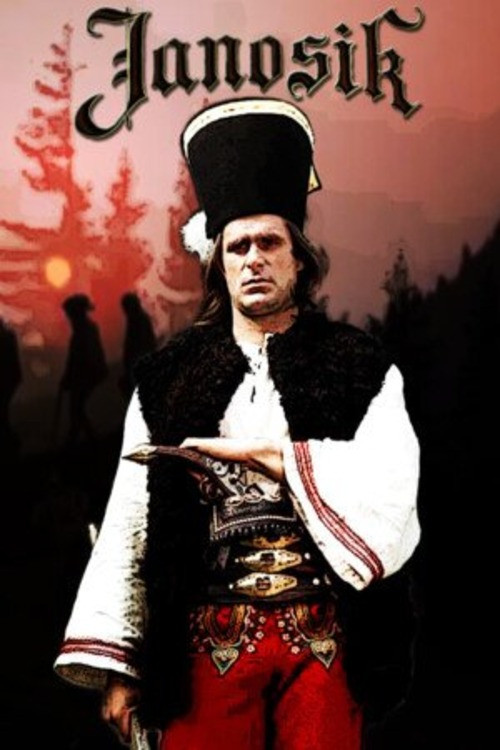 Janosik (1974)7.2
Janosik was a television series that aired in Poland in 1974. It is about a famous Polish highlander outlaw who in folk legends steals money and goods from the rich and helps out the poor. The series was directed by Jerzy Passendorfer. There are 13 1-hour episodes.
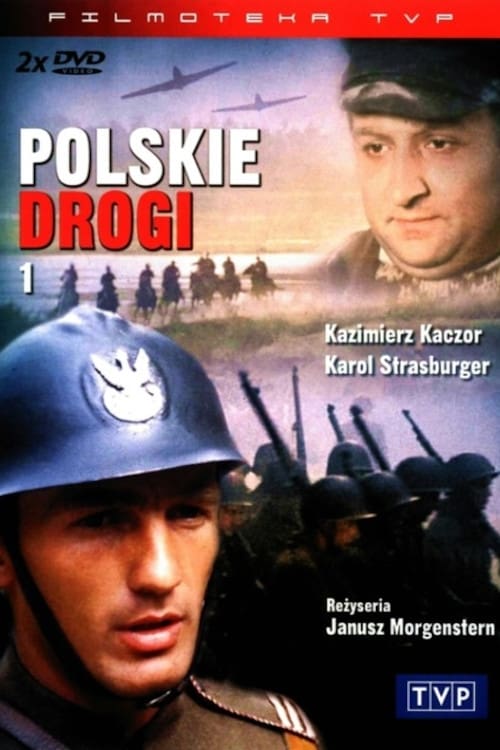 Polskie drogi (1977)7.2
An epic, multi-threaded story about the fate of Poles during World War II. "Czas pogardy" was shown primarily from the perspective of two main characters - Lieutenant Władysław Niwiński and Leon Kuraś - a petty crook, but not without heroic traits. The authors of the series sought to show, in particular, everyday life under Nazi occupation in Poland.
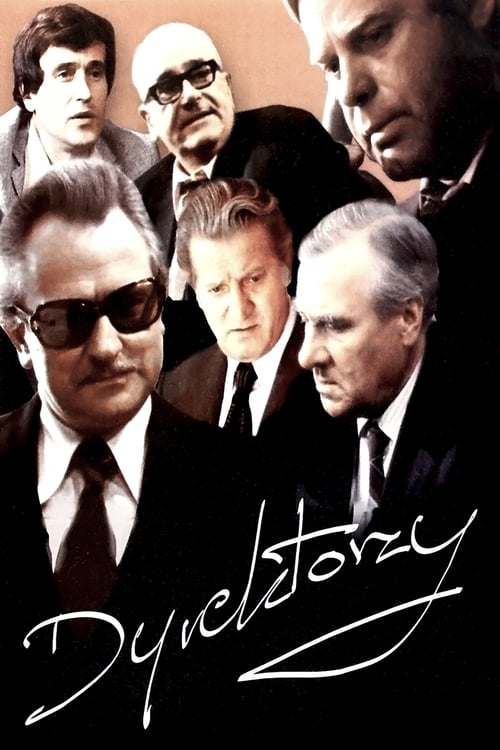 Dyrektorzy (1975)7.0
1957. Excessively high production standards imposed by the authorities result in the plan not being fulfilled, and the workers cannot imagine living normally without rewards and bonuses. A rebellion breaks out. Worker democracy wins – the working class elects a director from among its own ranks. He is an old locksmith with no managerial experience. Although he believes in the socialist spirit and has a communist past, he does not hold the position for long, as he makes promises too easily that he is unable to keep.
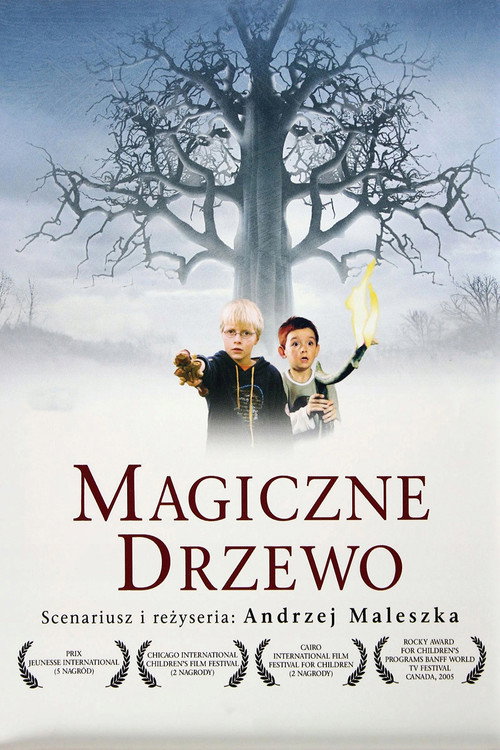 The Magic Tree (2004)7.0
A group of children is looking for different objects made from a fallen magic oak.
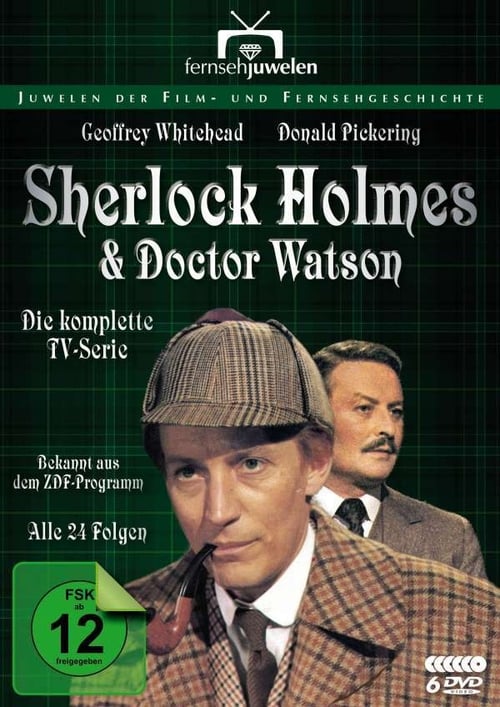 Sherlock Holmes and Dr. Watson (1979)6.7
Shot in Polish-British co-production series of short stories based on themes of Sir Arthur Conan Doyle - "father" of the world's most famous detective: Sherlock Holmes.
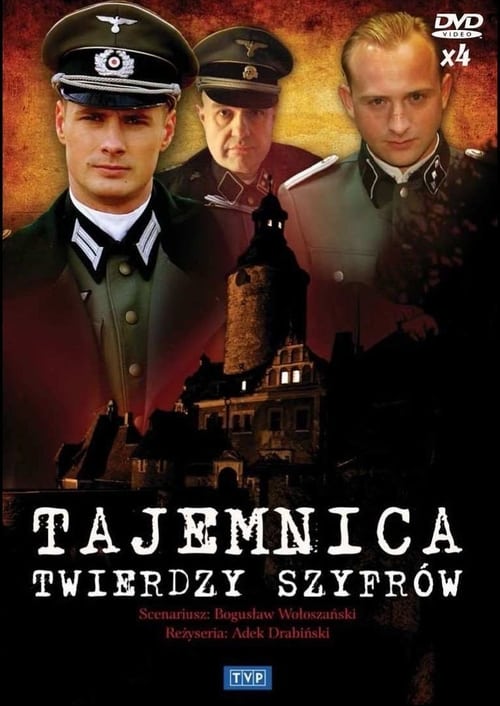 Tajemnica Twierdzy Szyfrów (2007)6.5
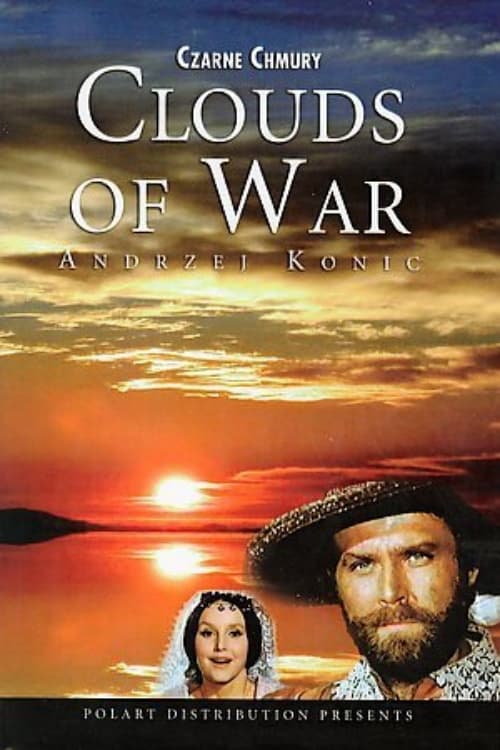 Clouds of War (1973)6.4
Polish Fanfan, the first Polish series from the "cloak and dagger" - written about the "black cloud" in the press of the 70's. Axis of the plot became a dramatic episodes of the struggle for the maintenance of the Polish Prussia. They remained in feudal depending on the Republic from 1525, when Albrecht Hohenzollern secularized religious state and filed in Krakow tribute to the Polish king.
 Egzamin z życia (2005)6.3
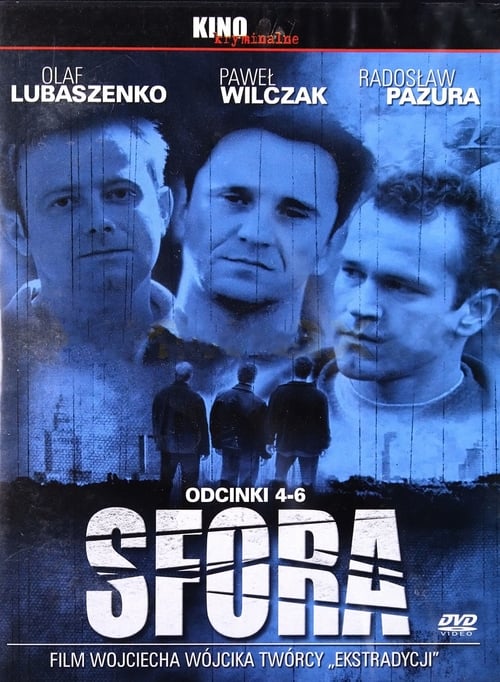 Sfora (2002)5.6
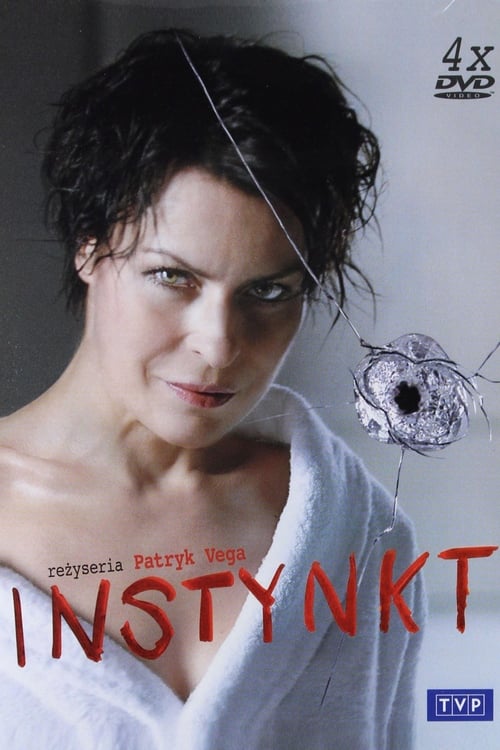 Instynkt (2011)5.0
An enigmatic commissioner joins the Warsaw Police, where her unconventional investigation methods unsettle the officers in the homicide department.
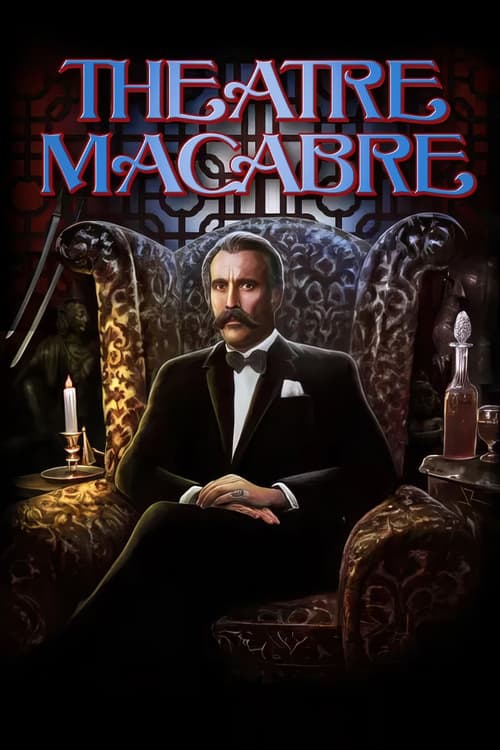 Theatre Macabre (1971)3.0
Horror legend Christopher Lee hosts this anthology in the tradition of Alfred Hitchcock Presents, each half-hour episode adapting a story from a classic author, with tales by Edgar Allen Poe, Fyodor Dostoevsky, Ambrose Bierce, Robert Louis Stevenson, and Oscar Wilde.