
The Best TV Shows on VPRO
Every VPRO Show Ranked From Best To Worst
Showcasing over 20 shows from 1979 up until 2023, VPRO stands as a beacon of television excellence. Some of the best tv shows from VPRO include Pat & Mat and Keek op de Week, airing in 1979 and 1988 respectively. Dive into our updated selection of VPRO’s finest, featuring more than 20 series as of October 2026.
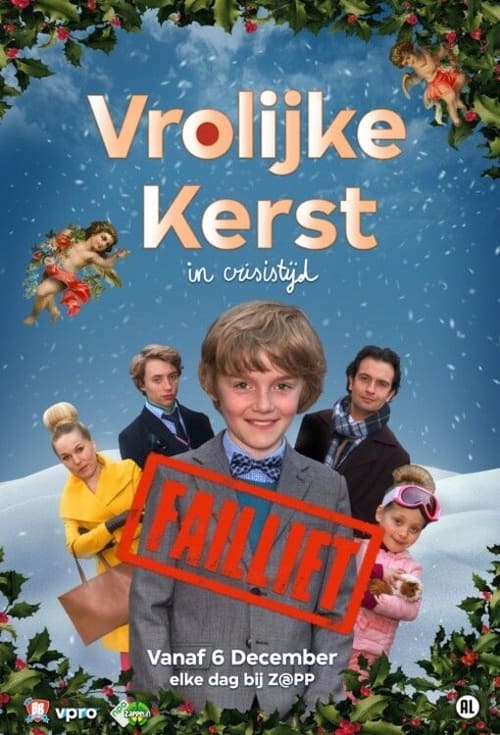 Happy Christmas (2014)9.5
What do you do when you lose everything and have to start all over again? Ten-year-old Lucas, the middle child of a wealthy family, lives in an expensive neighborhood in a large house, equipped with every luxury. Everything changes completely when Lucas, while searching for his Sinterklaas surprise, finds a large box of unpaid bills. Father Maarten turns out to have enormous financial problems and the family loses everything. The family is evicted and, with the help of their cleaner Nina, finds shelter in an old office building among other new poor people. While father (Jeroen Spitzenberger) and mother (Hadewych Minis) have a hard time with themselves and each other, and big brother Thomas (15) and sister Emma (7) have a terrible time getting used to the new situation, Lucas tries to make the best of it with the highest goal: a Merry Christmas for the whole family.
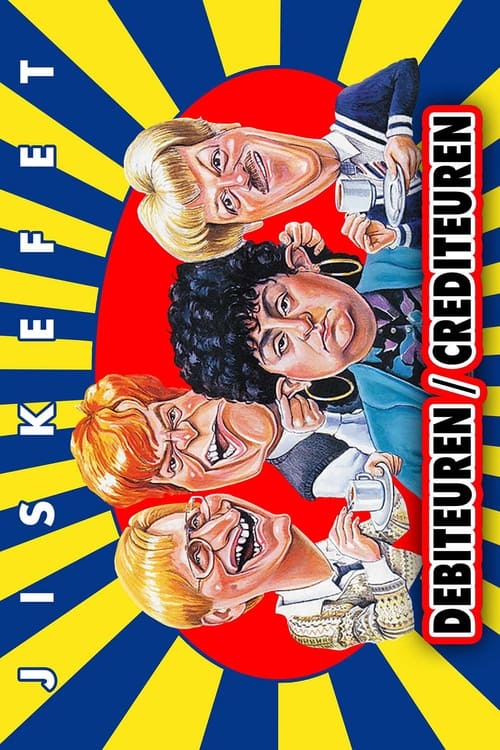 Debiteuren Crediteuren (1995)9.0
Debiteuren Crediteuren is a satire of boring office life and repetitive corporate culture. The series focuses on three colleagues and their secretary working in a financial administration office. Each episode follows a rigid pattern: mundane small talk, bad jokes, office supplies obsession (like "stiften"), and lunch breaks involving specific sandwiches. I was made by the Dutch absurdist comedy show Jiskefet and originally aired on the VPRO network.
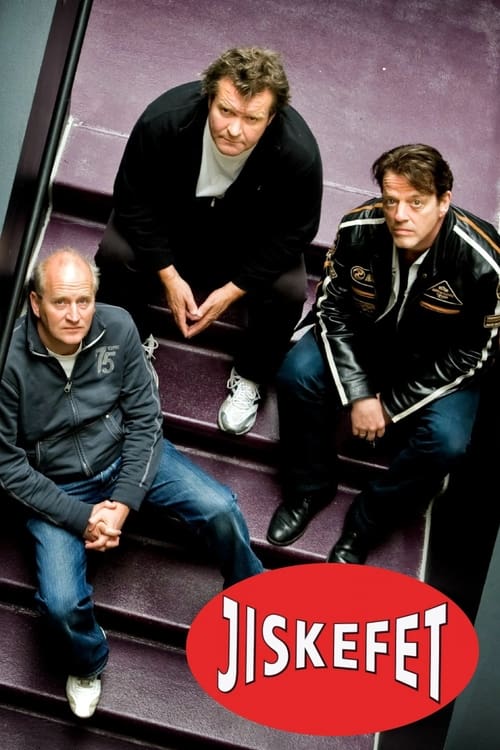 Jiskefet (1990)8.3
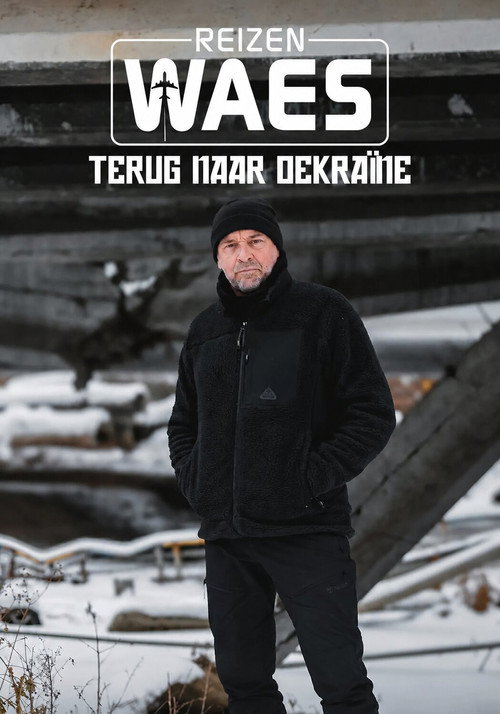 Reizen Waes (2013)8.2
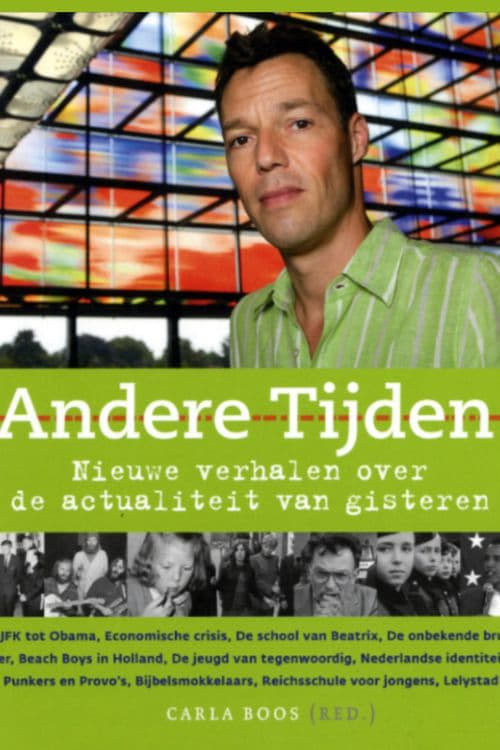 Andere Tijden (2000)8.0
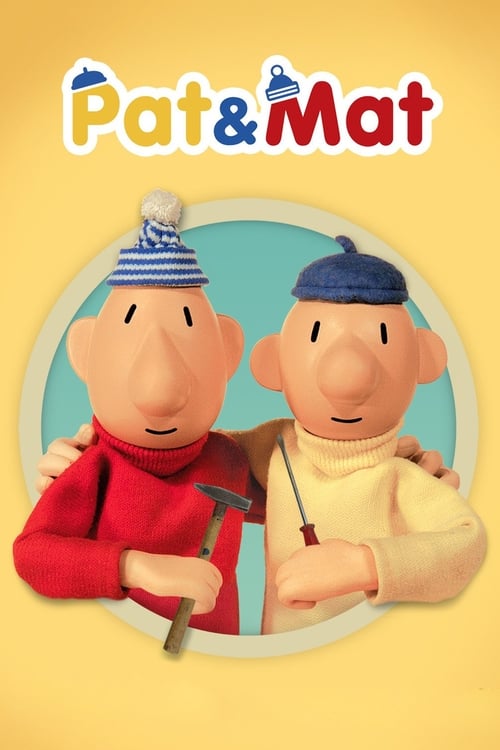 Pat & Mat (1979)7.8
Pat & Mat is a Czech stop-motion animated series featuring two handymen, Pat and Mat. It was created by Lubomír Beneš and Vladimír Jiránek.
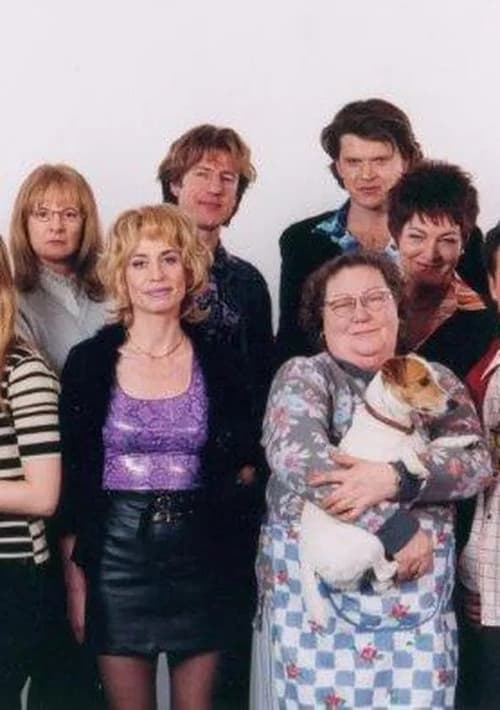 TV7 (2002)7.0
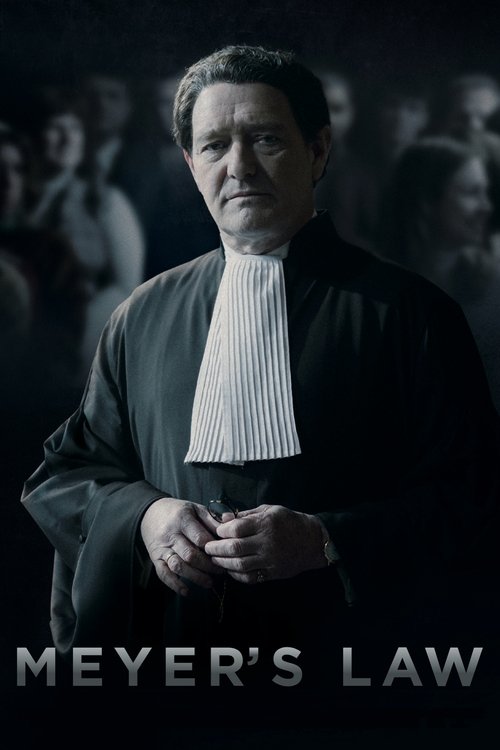 Meyer's Law (2017)6.7
The rise and fall of a renowned family empire built by a man who survived Auschwitz and dedicated his life to achieving success at any cost. Based on a true story.
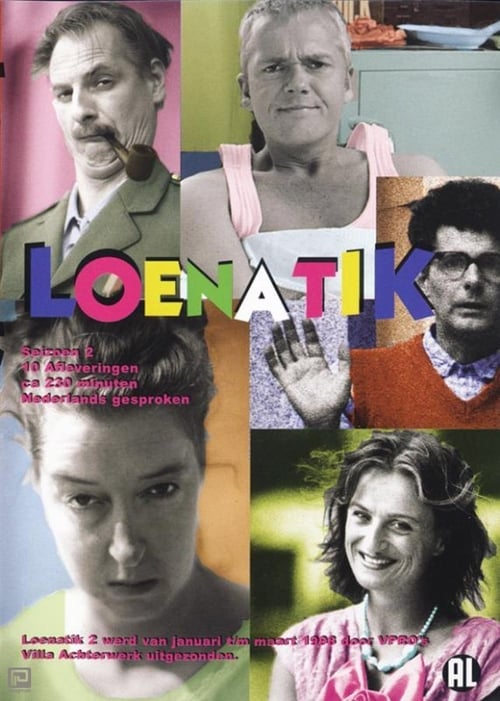 Loenatik (1995)6.5
 Draadstaal (2007)1.5
Draadstaal is a satirical sketch comedy television program of the VPRO, and CCCP 2 Dutch production company and broadcaster. It was created by CCCP and Jeroen van Koningsbrugge and Dennis van de Ven. The show features lots of recurring stereotypical characters. The program is reminiscent of the work of Van Kooten en De Bie.
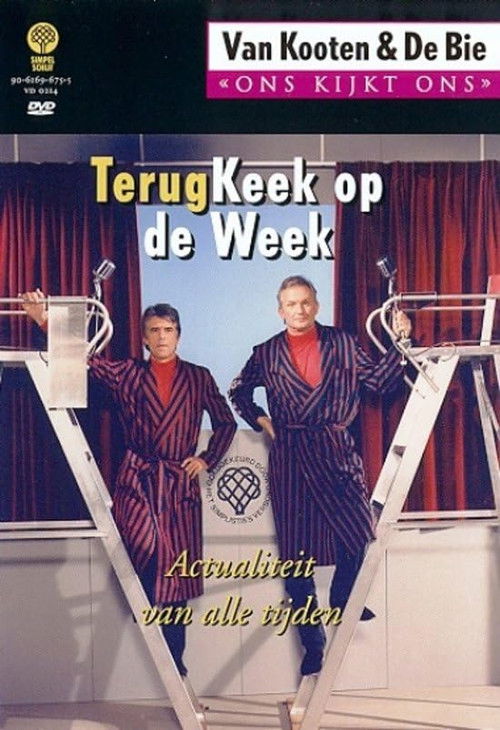 Keek op de Week (1988)N/A
"Keek op de week" was a satirical television program by the duo Kees van Kooten and Wim de Bie. In it, Van Kooten and De Bie discussed current events, usually through sketches featuring their various characters. They often held "conversations" with these characters via a screen, which in reality was just a blue screen. They also provided commentary on the news in a columnist-like style. The rug beater logo of Van Kooten and De Bie's "Simplisties Verbond" was still present, though placed modestly in the background. The song "Duke of Iron" by saxophonist Sonny Rollins served as the show's theme music.
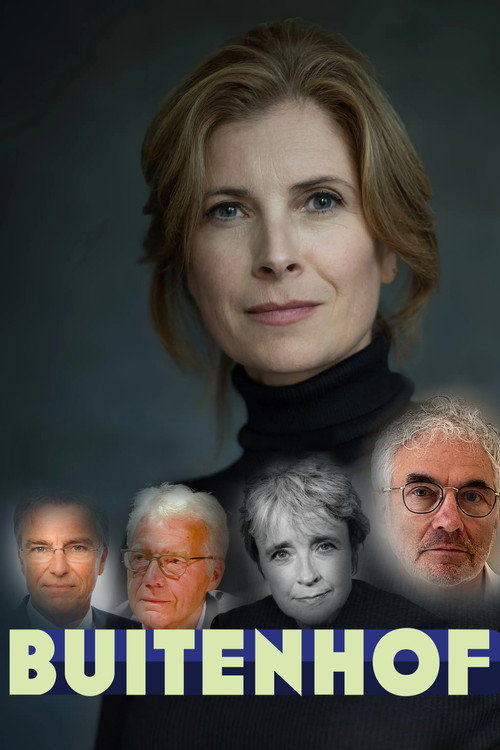 Buitenhof (1997)N/A
Buitenhof is a Dutch political interview programme produced by the NPS, VARA and VPRO Netherlands Public Broadcasting and broadcast on Nederland 1 on Sunday mornings. The first edition of Buitenhof aired on 7 September 1997, when it succeeded the interview programme Het Capitool. The programme takes its name from the Binnenhof, The Hague, which includes a place Buitenhof. Buitenhof is highly influential, and is regularly visited by the nation's top politicians, policy makers, representatives of the trade unions and employers' federation, and opinion makers. The format also includes a column item, presented as of 2009 by Désanne van Brederode, Max Pam and Jos de Beus. Former columnists include Ronald Plasterk, Paul Cliteur, Joshua Livestro and Herman Philipse. Peter van Ingen, Jeroen Smit and Clairy Polak are the programme's alternating presenters. Buitenhof itself made news in 2000, when visiting Vlaams Belang politician Filip Dewinter was smeared with chocolate, on camera, by anti-fascism activists. The programme is also broadcast each Sunday on the international television station BVN.
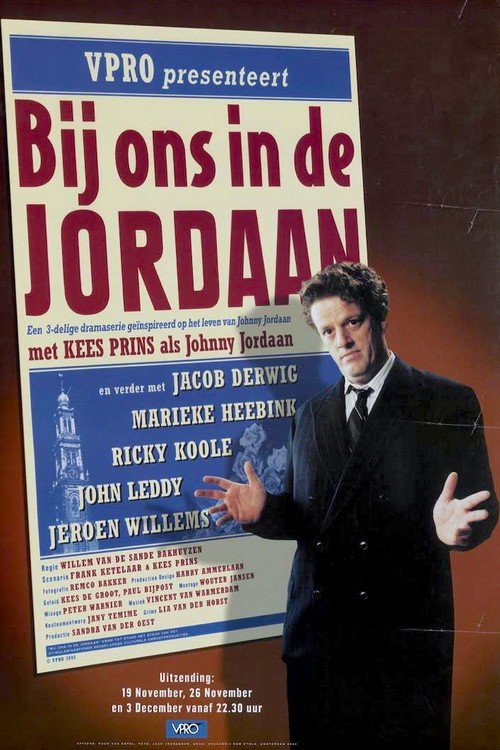 With us in the Jordaan (2000)N/A
The series tells the life story of Johnny Jordaan, from his early years to his fame as the Netherlands' greatest folk singer. This also includes great fellow artists such as Wim Sonneveld and Willy Alberti from Jordaan's life. Then Johnny discovers that he harbors homosexual feelings, something that was a big taboo in the mid-50s.
 Misdaad gezocht (2002)N/A
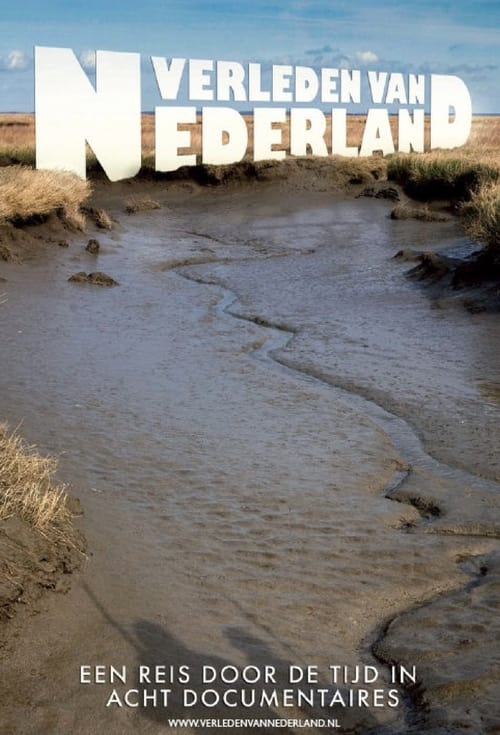 Holland's past (2008)N/A
A series of eight episodes documenting 250.000 years of history. Charles Groenhuijsen takes us along sights and locations that historically harbored various inhabitants of ‘The Lowlands’. In what today is known as The Netherland, Belgium, Germany, New York, Ghana, Surinam, and Indonesia, Charles will be looking for the stories of ‘our’ past through potsherds, bones, stones, ancient text's, drawings, paintings, pictures, radio, and tv- fragments
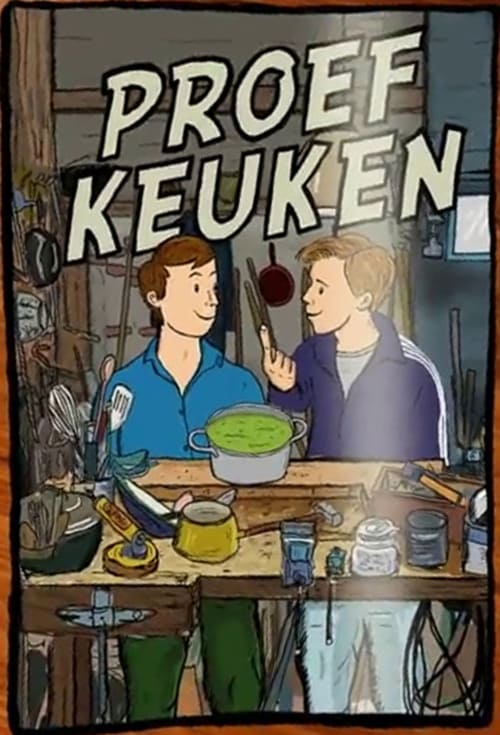 De proefkeuken (2015)N/A
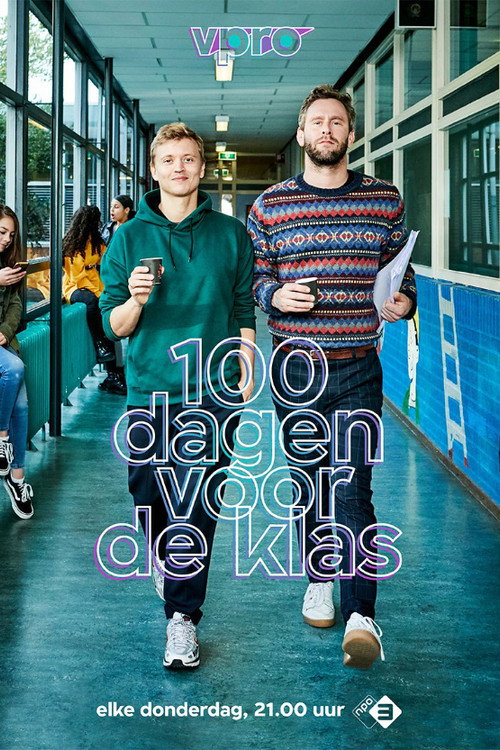 100 dagen voor de klas (2020)N/A
 On Stage (2021)N/A
 De Avondshow Stand-ups (2022)N/A
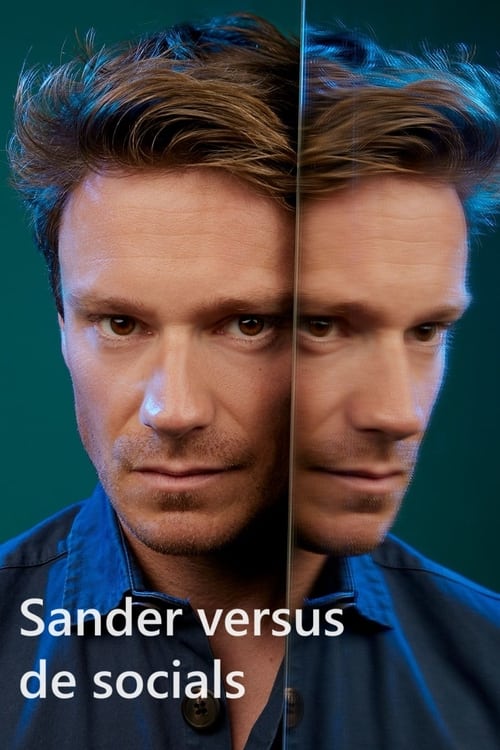 Sander versus the socials (2023)N/A
Sander Schimmelpenninck investigates the far-reaching influence of social media on our society and politics. To this end, he talks to journalists, moderators, philosophers, lawyers and troll hunters. How does social media use undermine our democracy and why is no one doing anything?