
The Best TV Shows on BBC Television
Every BBC Television Show Ranked From Best To Worst
A broadcaster of distinction, BBC Television has aired more than 20 shows between 1947 and 1976. Explore our list of the top rated shows up to date from October 2026 that includes over 20 unique series. Premiering in 1947 and 1949, BBC Proms and Family Affairs are among BBC Television’s most celebrated shows.
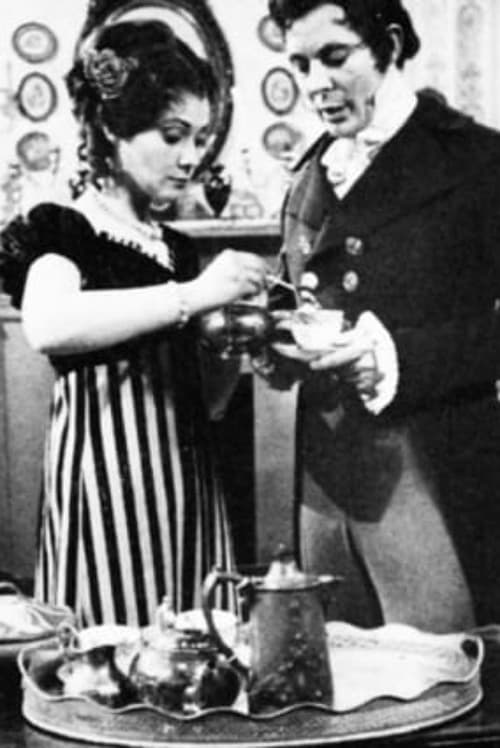 Emma (1960)10.0
Emma Woodhouse is a congenial young lady who delights in meddling in other people’s affairs. She is perpetually trying to unite men and women who are utterly wrong for each other. Despite her interest in romance, Emma is clueless about her own feelings, and her relationship with gentle Mr Knightley.
 Family Affairs (1949)9.0
Family Affairs was the first television serial broadcast by BBC Television.
 Bleak House (1959)9.0
The generous John Jarndyce, struggling with his own past, and his two young wards Richard and Ada, are all caught up, like Lady Dedlock, in the infamous case of Jarndyce vs Jarndyce, which will make one of them rich beyond imagination if it can ever be brought to a conclusion. As Tulkinghorn digs deeper into Lady Dedlock's past, he unearths a secret that will change their lives forever, and which is almost as astounding as the final outcome of the Jarndyce case.
- Playbox (1955)8.0
Playbox was a British children's television show that ran on BBC from 1955 to 1964. Presenters who appeared on it included Eamonn Andrews, Rolf Harris, Tony Hart, Cliff Michelmore and Johnny Morris
- Festival (1963)8.0
An anthology of single plays offering up adaptations of either of prominent stage plays or novels.
 Doctor Who (1963)7.9
The adventures of The Doctor, a time-traveling humanoid alien known as a Time Lord. He explores the universe in his TARDIS, a sentient time-traveling spaceship. Its exterior appears as a blue British police box, which was a common sight in Britain in 1963 when the series first aired. Along with a succession of companions, The Doctor faces a variety of foes while working to save civilizations, help ordinary people, and right many wrongs.
 BBC Proms (1947)7.7
The World's Greatest Classical Music Festival. The BBC Proms is a classical music festival held every summer at the Royal Albert Hall in London, and in recent years has explored an innovative series of Proms around the UK with concerts in all four nations. Its aim: to bring the best in classical music to the widest possible audience, which remains true to founder-conductor Henry Wood’s original vision in 1895. Whether you are a classical connoisseur or think classical music isn’t for you, there is something for everyone in the eight-week stretch of concerts.
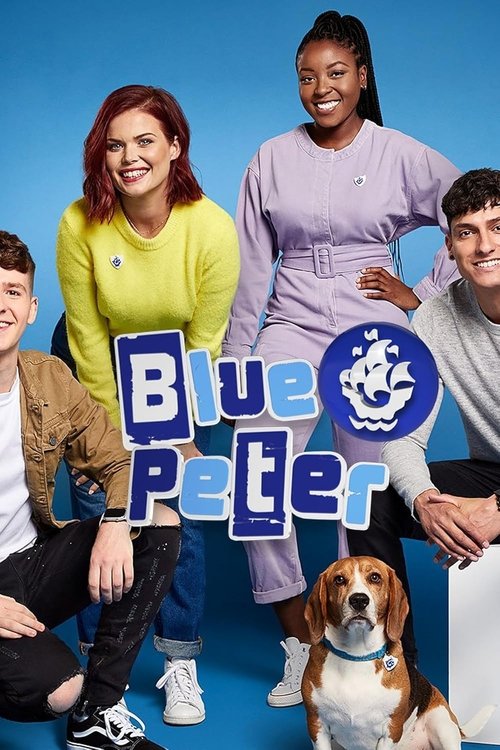 Blue Peter (1958)7.5
A fun-packed and informative magazine show for younger viewers with information and reports from around the world.
 Eurovision Song Contest (1956)7.4
The Eurovision Song Contest is an international song competition, organised annually by the European Broadcasting Union (EBU) and featuring participants representing primarily European countries. Each participating country submits an original song to be performed on live television and radio, transmitted to national broadcasters via the EBU's Eurovision and Euroradio networks, with competing countries then casting votes for the other countries' songs to determine the winner.
 BBC Radio 2 Piano Room (N/A)7.0
Live performances from much-loved music stars, alongside the BBC Concert Orchestra, at the BBC's Maida Vale Studios.
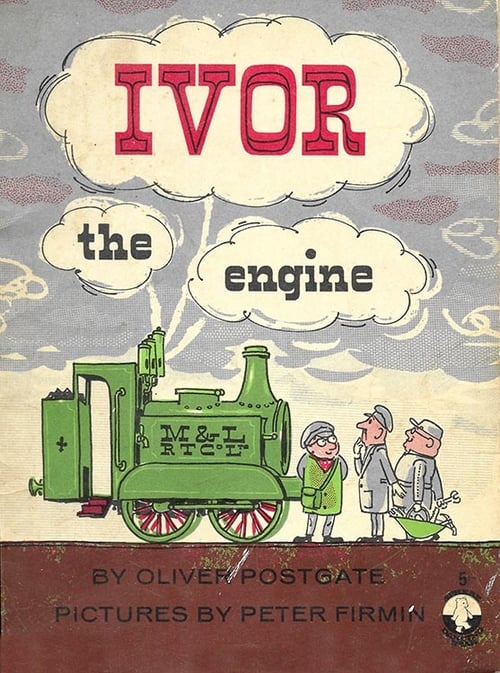 Ivor the Engine (1976)7.0
Ivor the Engine is a British children's animation by Oliver Postgate and Peter Firmin's Smallfilms company. It is a children's television series relating the adventures of a small green locomotive who lived in the "top left-hand corner of Wales" and worked for The Merioneth and Llantisilly Railway Traction Company Limited. His friends included Jones the Steam, Evans the Song and Dai Station, among many other characters.
 The Quatermass Experiment (1953)6.7
Set in the near future against the background of a British space programme, the story of the first crewed flight into space, supervised by Professor Bernard Quatermass of the British Experimental Rocket Group.
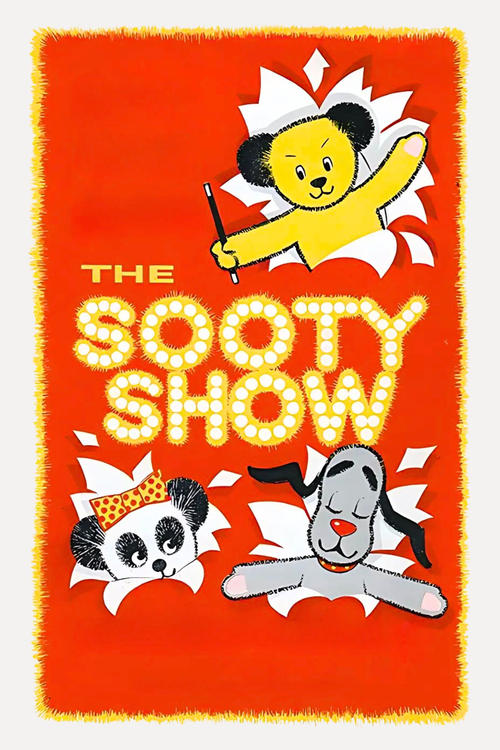 The Sooty Show (1955)6.4
The Sooty Show is a British children's Puppet series which aired on the BBC from 1955 to 1967 and ITV from 1968 to 1992. It follows the adventures and comedic day to day life of puppets Sooty, Sweep and Soo with their owner Harry Corbett, and in later years, his son Matthew.
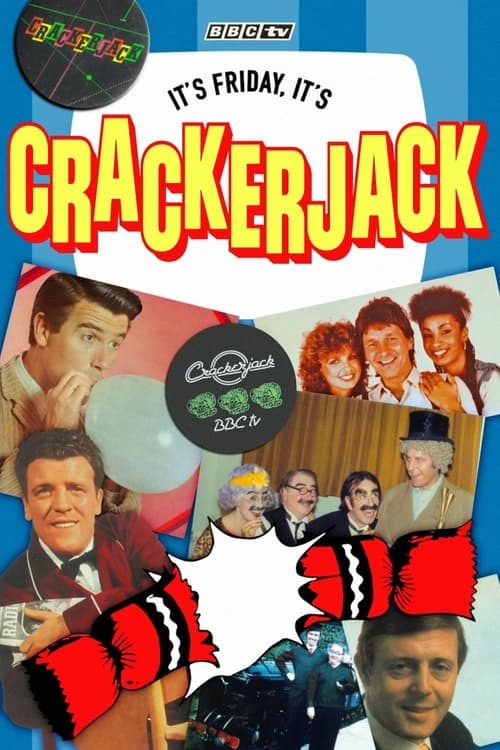 Crackerjack (1955)6.0
Crackerjack was a British children's comedy/variety BBC television series. It started on 14 September 1955 and ran for over 400 shows, first in black and white and later in colour, until 21 December 1984. It was revived in 2020 on CBBC.
- Film '72 (1971)5.1
The BBC's flagship cinema review TV program featuring reviews of new releases, news items and interviews. The title of the program changes each year to incorporate the year of broadcast.
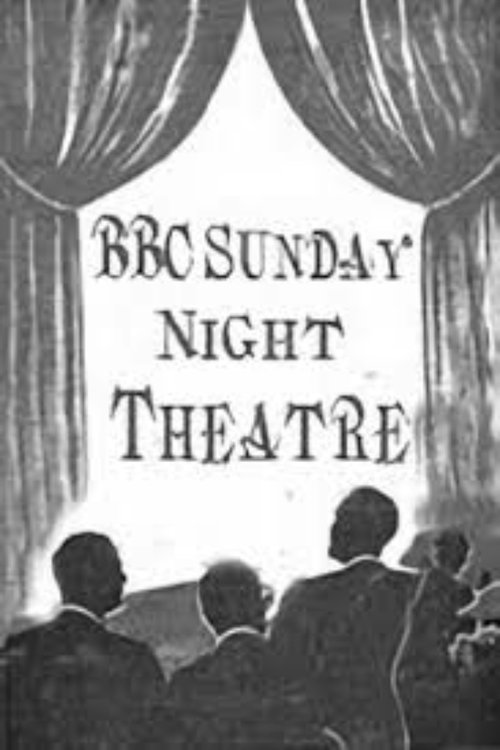 Sunday Night Theatre (1950)3.5
Sunday Night Theatre was a long-running series of televised live television plays screened by BBC Television from early 1950 until 1959. The productions for the first five years or so of the run were re-staged live the following Thursday, partly because of technical limitations in this era, and the theatrical basis of early television drama. Some of the earliest collaborations between Rudolph Cartier and Nigel Neale were produced for this series, including Arrow to the Heart and Nineteen Eighty-Four. The Sunday night drama slot was subsequently renamed The Sunday-Night Play which ran for four seasons between 1960 and 1963. ITV transmitted its own unrelated run of Sunday Night Theatre between 1971 and 1974.
 Theatre Night (1957)N/A
A BBC television series of forty-five-minute excerpts from stage plays running in London.
- The Diary of Samuel Pepys (1958)N/A
Based on the diaries of the naval adiminister Samuel Pepys, it portrays life at the court of Charles II during the 1660s.
- Sunday-Night Play (1960)N/A
BBC anthology drama series that ran over four seasons and replaced the previous BBC Sunday Night Theatre series.