42: The Answer to Almost Everything backdrop
Documentary

The Best Episodes of 42: The Answer to Almost Everything Season 1

Every episode of 42: The Answer to Almost Everything Season 1 ranked from best to worst. Discover the Best Episodes of 42: The Answer to Almost Everything Season 1!

Binge this in 10h 35mPeaking at 10.0/10

What would we be without mucus? Can we live on water? How much does life weigh? Finding out the answers is the aim of ARTE's new science show. In a nod to Douglas Adams's "Hitchhiker's

Airs on

Seasons1

Episode Rankings

  1. #1 Fan Favorite
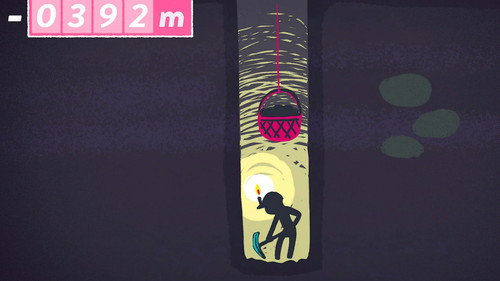
    42: The Answer to Almost Everything Season 1 Episode 1 - Can we dig our way through the Earth?
    8.0/10(1 votes)

    #1 - Can we dig our way through the Earth?

    S1:E1

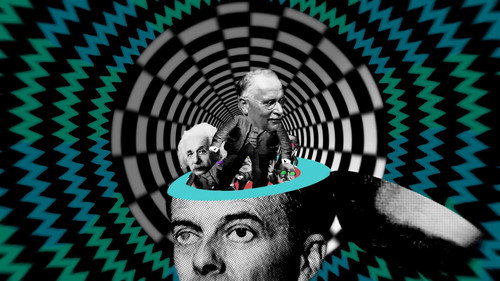
    This report explores the challenges and insights gained from deep drilling into the Earth. Researchers from Germany, France, and Italy emphasize the technical complexity and costs of these undertakings. The drill cores, made of rock or ice, serve as archives of Earth's history and enable the study of phenomena such as climate change.

    Director:Unknown
    Writer:Unknown

    Be the first to start the conversation for this episode
  2. 42: The Answer to Almost Everything Season 1 Episode 2 - Could We Live on the Moon?
    7.0/10(1 votes)

    #2 - Could We Live on the Moon?

    S1:E2

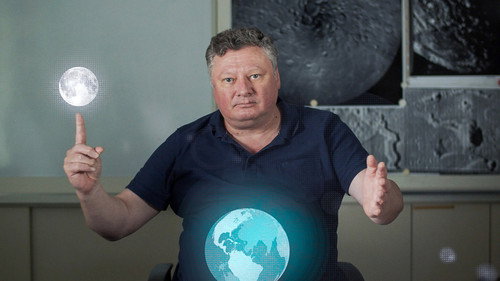
    A new lunar cycle begins with 95 planned missions over the next ten years, including contributions from smaller nations. Scientists want to know how humans can carve out a life on the moon. Could humans live there permanently? And who does the moon belong to? Salem Al Marri of the United Arab Emirates Space Agency explains the motivations and goals of this intensified lunar exploration.

    Writer:Unknown

    Be the first to start the conversation for this episode
  3. 42: The Answer to Almost Everything Season 1 Episode 3 - Should we use lotteries instead of elections?
    7.4/10(7 votes)

    #3 - Should we use lotteries instead of elections?

    S1:E3

    The ancient Greeks practiced sortition as a cost-effective method to prevent corruption and abuse of power and to establish political equality. Although this idea resurfaced in the 19th century, modern societies have opted for elections as the means of selecting representatives.

    Director:Unknown
    Writer:Unknown

    Be the first to start the conversation for this episode

  4. 42: The Answer to Almost Everything Season 1 Episode 4 - How Much Does Life Weigh?
    0.0/10(0 votes)

    #4 - How Much Does Life Weigh?

    S1:E4

    A research team led by Israeli biologist Ron Milo has attempted to calculate the total mass of all living things on Earth by combining data from various fields of research. The challenges range from accurately estimating the fish population in the ocean to discovering previously unknown species on land.

    Director:Unknown
    Writer:Unknown

    Be the first to start the conversation for this episode
  5. 42: The Answer to Almost Everything Season 1 Episode 5 - Will we move onto the water?
    0.0/10(0 votes)

    #5 - Will we move onto the water?

    S1:E5

    Climate change could cause sea levels to rise by up to 20 millimeters per year by the end of the century, threatening island nations and major cities. Urban planner Heiner Haaß and architect Bjarke Ingels propose building on the water, with concepts like Oceanix City or floating structures in the Maldives.

    Director:Thomas Kulik
    Writer:Unknown

    Be the first to start the conversation for this episode
  6. 42: The Answer to Almost Everything Season 1 Episode 6 - Can Algorithms Make Us Healthy?
    0.0/10(0 votes)

    #6 - Can Algorithms Make Us Healthy?

    S1:E6

    Bodily data, from genes to the microbiome, could indicate diseases early if analyzed precisely. Computers and algorithms are needed to recognize patterns. In the US, skin cancer has been detected early using algorithms. The vision is a medical avatar that monitors our bodily data and warns us of health problems.

    Director:Unknown
    Writer:Unknown

    Be the first to start the conversation for this episode
  7. Trending NowTRENDING NOW

    The 20 BEST Episodes of 42: The Answer to Almost Everything

    READ
  8. 42: The Answer to Almost Everything Season 1 Episode 7 - What if there were no mucus?
    8.0/10(1 votes)

    #7 - What if there were no mucus?

    S1:E7

    Mucus, a versatile substance in nature, fulfills various functions: It can glide, stick, select, and even serve as a protective or defensive weapon. The unique state of matter of mucus enables its diverse applications. Microbiologist Hans-Curt Flemming emphasizes the central role of mucus in the evolution of microorganisms.

    Director:Unknown
    Writer:Unknown

    Be the first to start the conversation for this episode
  9. 42: The Answer to Almost Everything Season 1 Episode 8 - How do we solve the nuclear waste puzzle?
    0.0/10(0 votes)

    #8 - How do we solve the nuclear waste puzzle?

    S1:E8

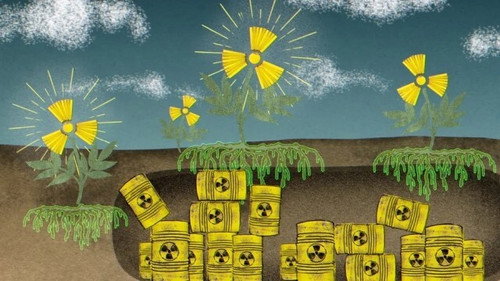
    Long considered clean and inexpensive, nuclear energy raises a major problem: ultimate radioactive waste. This waste must be buried underground for at least a million years—an eternity! How can we warn our descendants of the risk it represents? What pictograms could alert them to the toxic gift we are leaving them?

    Director:Unknown
    Writer:Unknown

    Be the first to start the conversation for this episode
  10. 42: The Answer to Almost Everything Season 1 Episode 9 - What if Fear Didn't Exist?
    0.0/10(0 votes)

    #9 - What if Fear Didn't Exist?

    S1:E9

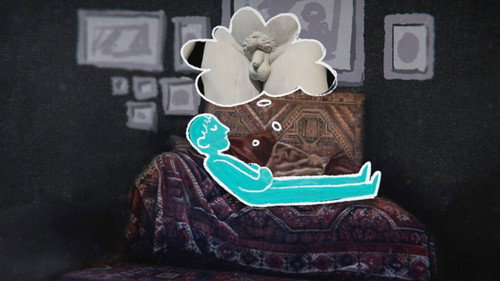
    Life would be fantastic if we were never scared. We could cross deep ravines on tightropes, ski down the steepest mountainsides and feel fine. Unfortunately, fear runs deep inside us.

    Director:Unknown
    Writer:Unknown

    Be the first to start the conversation for this episode
  11. 42: The Answer to Almost Everything Season 1 Episode 10 - What if the ice disappeared?
    0.0/10(0 votes)

    #10 - What if the ice disappeared?

    S1:E10

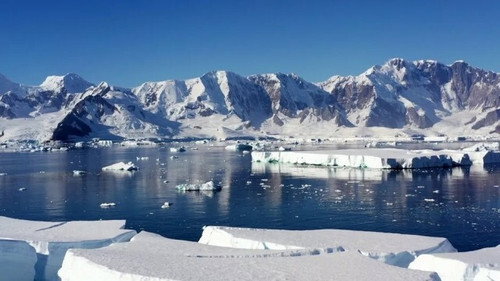
    With global warming, the melting of the ice is accelerating. The Arctic is warming two to three times faster than the rest of the world. Having remained stable until recently, the Antarctic sea ice is now melting dramatically. What will be the consequences of this phenomenon for the environment and for human beings?

    Director:Unknown
    Writer:Unknown

    Be the first to start the conversation for this episode

  12. 42: The Answer to Almost Everything Season 1 Episode 11 - Do We All hear the Same Thing?
    7.0/10(1 votes)

    #11 - Do We All hear the Same Thing?

    S1:E11

    From birth we are surrounded by sounds which, often without our knowledge, influence our view of the world. But are our reactions to these sounds the same?

    Director:Unknown
    Writer:Unknown

    Be the first to start the conversation for this episode
  13. 42: The Answer to Almost Everything Season 1 Episode 12 - Are we too pessimistic?
    0.0/10(0 votes)

    #12 - Are we too pessimistic?

    S1:E12

    Although we are mostly optimistic about our own lives, we tend to be rather pessimistic when we consider the future of the world and the future of our society. How can we explain this apparent contradiction?

    Director:Unknown
    Writer:Unknown

    Be the first to start the conversation for this episode

  14. 42: The Answer to Almost Everything Season 1 Episode 13 - Does the Perfect Song Exist?
    8.0/10(1 votes)

    #13 - Does the Perfect Song Exist?

    S1:E13

    What's the recipe for making a song a global hit? Musicologists, brain scientists and professionals in the music industry are actively researching the 'magic formula' for the mega hit.

    Director:Unknown
    Writer:Unknown

    Be the first to start the conversation for this episode

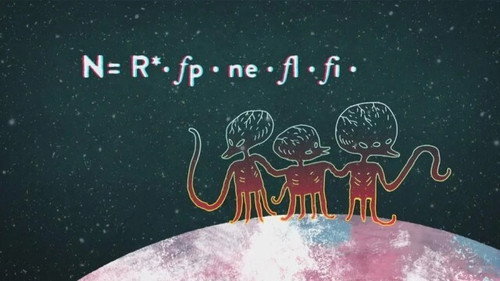
  15. 42: The Answer to Almost Everything Season 1 Episode 14 - Are we alone in space?
    8.0/10(1 votes)

    #14 - Are we alone in space?

    S1:E14

    The universe is vast. So vast that it defies the imagination. To the point that we find it strange that we "Earthlings" are the only living beings to inhabit it. What, then, is the probability that extraterrestrials exist? What might they look like? Finally, wouldn't their existence force us to rethink our place in the cosmos?

    Director:Unknown
    Writer:Unknown

    Be the first to start the conversation for this episode
  16. 42: The Answer to Almost Everything Season 1 Episode 15 - Why Do We Eat What We Eat?
    0.0/10(0 votes)

    #15 - Why Do We Eat What We Eat?

    S1:E15

    Tea of coffee? Fish or meat? Every day human beings make around 200 decisions about what to eat. But what drivess these choices? Why do we eat what we eat?

    Director:Unknown
    Writer:Unknown

    Be the first to start the conversation for this episode

  17. 42: The Answer to Almost Everything Season 1 Episode 16 - What is the secret of light?
    0.0/10(0 votes)

    #16 - What is the secret of light?

    S1:E16

    Light, as both a wave and a particle, travels at a constant speed. A beam of light originating in the sun's interior reaches Earth after eight minutes and drives the life cycle through photosynthesis.

    Director:Unknown
    Writer:Unknown

    Be the first to start the conversation for this episode
  18. 42: The Answer to Almost Everything Season 1 Episode 17 - Can we save the trees?
    0.0/10(0 votes)

    #17 - Can we save the trees?

    S1:E17

    Drought and insects threaten forests. What can be done to save them? In northern France, researchers are trying to introduce plants native to the south. Across the Rhine, the Thünen Institute cultivates oak trees that are particularly resistant to insects, drought, and fungi.

    Director:Unknown
    Writer:Unknown

    Be the first to start the conversation for this episode

  19. 42: The Answer to Almost Everything Season 1 Episode 18 - What if dust didn't exist?
    0.0/10(0 votes)

    #18 - What if dust didn't exist?

    S1:E18

    Nobody likes dust. Attempts to get rid of it are futile; it always comes back. And that's a good thing! Because without dust and its superpowers, life on Earth would hardly be possible. Dust contributes to the formation of rain, it provides nutrients to the sea and the jungle, and it's our personal calling card. Come to think of it, dust might even be able to save the world.

    Director:Unknown
    Writer:Unknown

    Be the first to start the conversation for this episode

  20. 42: The Answer to Almost Everything Season 1 Episode 19 - Geoengineering: Earth's Last Resort
    8.0/10(1 votes)

    #19 - Geoengineering: Earth's Last Resort

    S1:E19

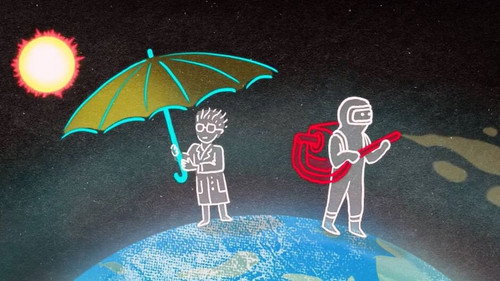
    To tackle climate change, one option is to artificially cool the Earth or capture CO2. The field of geoengineering is full of seemingly outlandish ways of manipulating the planet's climate.

    Director:Unknown
    Writer:Unknown

    Be the first to start the conversation for this episode

  21. 42: The Answer to Almost Everything Season 1 Episode 20 - Could Algae Save the Planet?
    8.0/10(1 votes)

    #20 - Could Algae Save the Planet?

    S1:E20

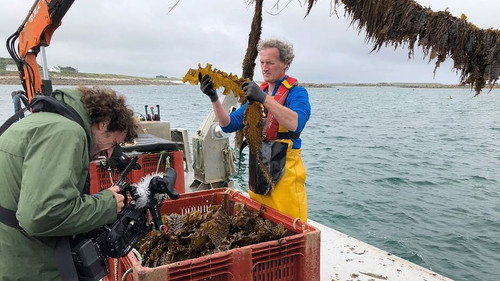
    The fact that we have a breathable atmosphere on Earth is largely down to algae. Could these aquatic plants be the secret of solving climate change and saving ourselves and the planet?

    Director:Unknown
    Writer:Unknown

    Be the first to start the conversation for this episode

  22. 42: The Answer to Almost Everything Season 1 Episode 21 - Will Messenger RNA Save Us From Cancer?
    8.0/10(1 votes)

    #21 - Will Messenger RNA Save Us From Cancer?

    S1:E21

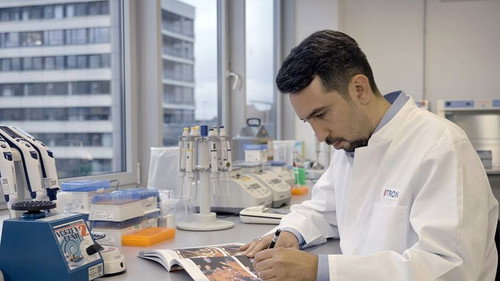
    The sharpest weapon of the pandemic has given us a vaccination technique that almost no one knew about before the coronavirus—messenger RNA. It has been studied for over 20 years. The grand goal of mRNA pioneers: a cancer vaccine. After the success of coronavirus vaccines, will we also defeat this old sworn enemy of humanity? A small community of researchers from around the world has always believed in the revolutionary potential of mRNA vaccination. The rest of the scientific world considered the biomolecule a mere unstable diva until recently. "No one read our papers, and we didn't receive any research funding either," says Steve Pascolo, who likes to compare mRNA to the transcription of a recipe from the great cookbook of DNA. A transcription that can be delivered to the kitchens of cells, which then do everything indicated in the recipe. The human body becomes a pharmacy.

    Director:Unknown
    Writer:Unknown

    Be the first to start the conversation for this episode

  23. 42: The Answer to Almost Everything Season 1 Episode 22 - Will We Stop Flying?
    0.0/10(0 votes)

    #22 - Will We Stop Flying?

    S1:E22

    Giving up flying overnight would cause global logistical problems, as many delivery chains would be interrupted. But planes are climate killers. So what should be done?

    Director:Unknown
    Writer:Unknown

    Be the first to start the conversation for this episode

  24. 42: The Answer to Almost Everything Season 1 Episode 23 - Will We Like Robots?
    0.0/10(0 votes)

    #23 - Will We Like Robots?

    S1:E23

    It is estimated that there are now more than 1.7 million robots with social capabilities in the world. They feed us, educate us, help us, and entertain us. Highly technical sex robots have existed for a long time. But can these machines actually develop feelings—or even experience love? "We have developed digital artificial hormones for our robot. And we are using artificial intelligence to simulate the changes in hormonal balance in a person who falls in love," explains Hooman Samani, a robotics developer at the University of Plymouth. Conversely, we are also moving closer to a human-machine relationship: For cognitive psychologist Martin Fischer of the University of Potsdam, certain psychological effects indicate that our attitude toward robots will become increasingly positive in the future.

    Director:Unknown
    Writer:Unknown

    Be the first to start the conversation for this episode

  25. 42: The Answer to Almost Everything Season 1 Episode 24 - The Purpose of Parasites
    10.0/10(1 votes)

    #24 - The Purpose of Parasites

    S1:E24

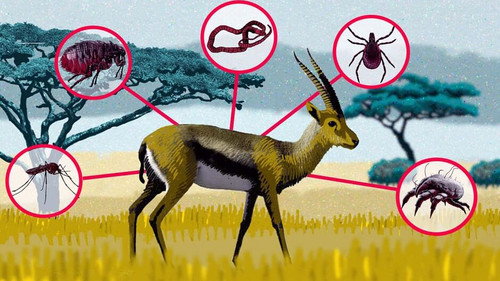
    Parasites get a bad rap: they can make us sick or even kill us. For centuries, we have been trying to protect ourselves against them, in particular through hygiene measures. Yet half of the living beings on Earth are parasites. If they are really everywhere, maybe they are not fundamentally useless?

    Director:Unknown
    Writer:Unknown

    Be the first to start the conversation for this episode

  26. 42: The Answer to Almost Everything Season 1 Episode 25 - Could We Sleep Less?
    0.0/10(0 votes)

    #25 - Could We Sleep Less?

    S1:E25

    We spend a third of our lives sleeping. Is it possible for us to sleep less and enjoy extra waking years for leisure and work? Can we optimise our sleep patterns to get more out of life?

    Director:Unknown
    Writer:Unknown

    Be the first to start the conversation for this episode

Season 1 Ratings Summary

"Can we dig our way through the Earth?" is the best rated episode of "42: The Answer to Almost Everything" season 1. It scored 8/10 based on 1 votes. Directed by Unknown and written by Unknown, it aired on 9/4/2021. This episode is rated 1.0 points higher than the second-best, "Could We Live on the Moon?".